As Women's Month Comes to an End and Spring Begins, JUST SA Reflects on a Season of Growth
As South Africa moves out of Women's Month and into spring, JUST SA looks back on how a just transition to a decarbonised economy is also becoming a fairer one, and how the seeds planted this year are taking root across its work with women and youth.
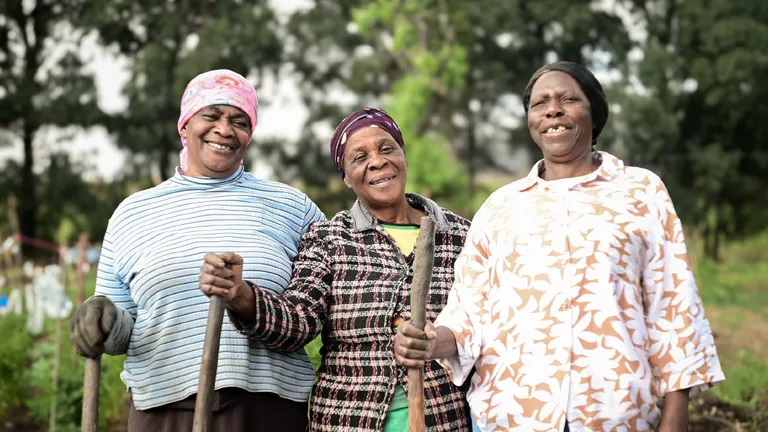
As Women's Month Closes and Spring Begins, JUST SA Reflects on a Season of Growth
Women's Month has drawn to a close, and with it comes spring, a season that has always carried its own quiet symbolism of new growth after a hard season. It feels fitting, then, to pause and take stock: not with a single day of celebration, but with an honest look at what has actually been built over the past year, and what will begin to bear fruit.
A just transition is, by definition, about fairness. For JUST SA, implemented under the International Climate Initiative (IKI), that fairness starts with making sure women and young people are not an afterthought in South Africa's shift to a green economy, but active drivers of it. That commitment shows up wherever the project touches the ground: in the small businesses at the heart of the green economy, in the communities helping to design their own transition, in the research shaping future policy, and in the people leading the project itself.
Backing women-owned MSMEs in the coal value chain
Nowhere is that commitment more visible than in the small businesses that make up South Africa's green economy. Through the Indalopreneur Just Transition Enterprise Programme (i-JTEP) Upscale, implemented last year by Indalo Inclusive South Africa on behalf of JUST SA in partnership with the Department of Forestry, Fisheries and the Environment (DFFE) and the Mpumalanga Department of Agriculture, Rural Development, Land and Environmental Affairs (DARDLEA), the project worked directly with green entrepreneurs across eMalahleni, Steve Tshwete, Govan Mbeki and Msukaligwa, coal-dependent municipalities at the heart of Mpumalanga's transition.
Of the 16 enterprises selected into the programme, working across clean energy, water purification, agriculture and waste management, six were women-owned. All 16 received training, mentorship and business development support, and eight went on to receive an i-JTEP Upscale grant of R50,000 each to help grow their businesses. Between them, the supported enterprises have created 24 jobs, almost two-thirds of them for young people and one in three held by a woman.
The programme also gave these entrepreneurs a platform to be seen. Fourteen pitched or exhibited their businesses at the i-JTEP Upscale Symposium and grant awarding ceremony in Mbombela, and Indalo Inclusive went on to showcase the project's impact on the international stage at COP29 in Baku, Azerbaijan.
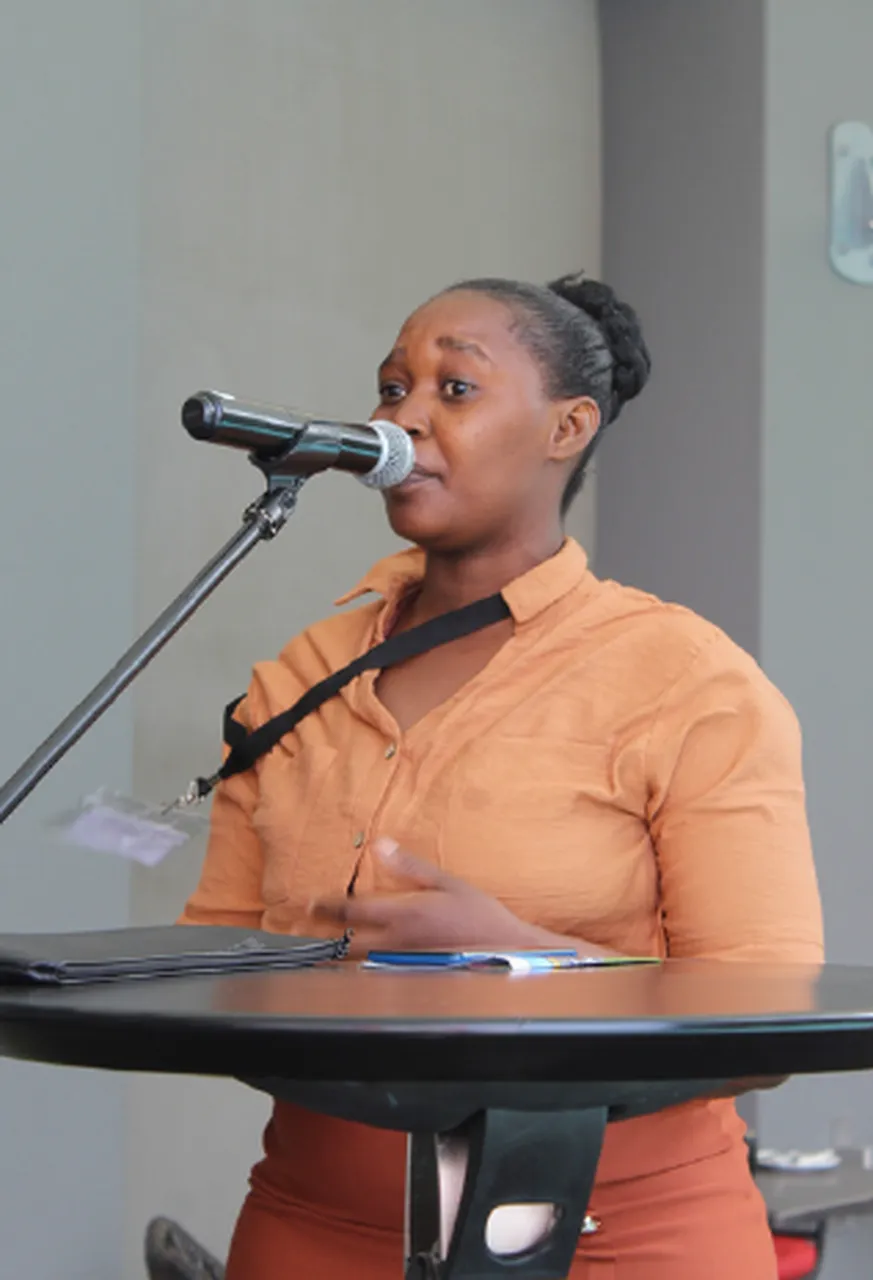
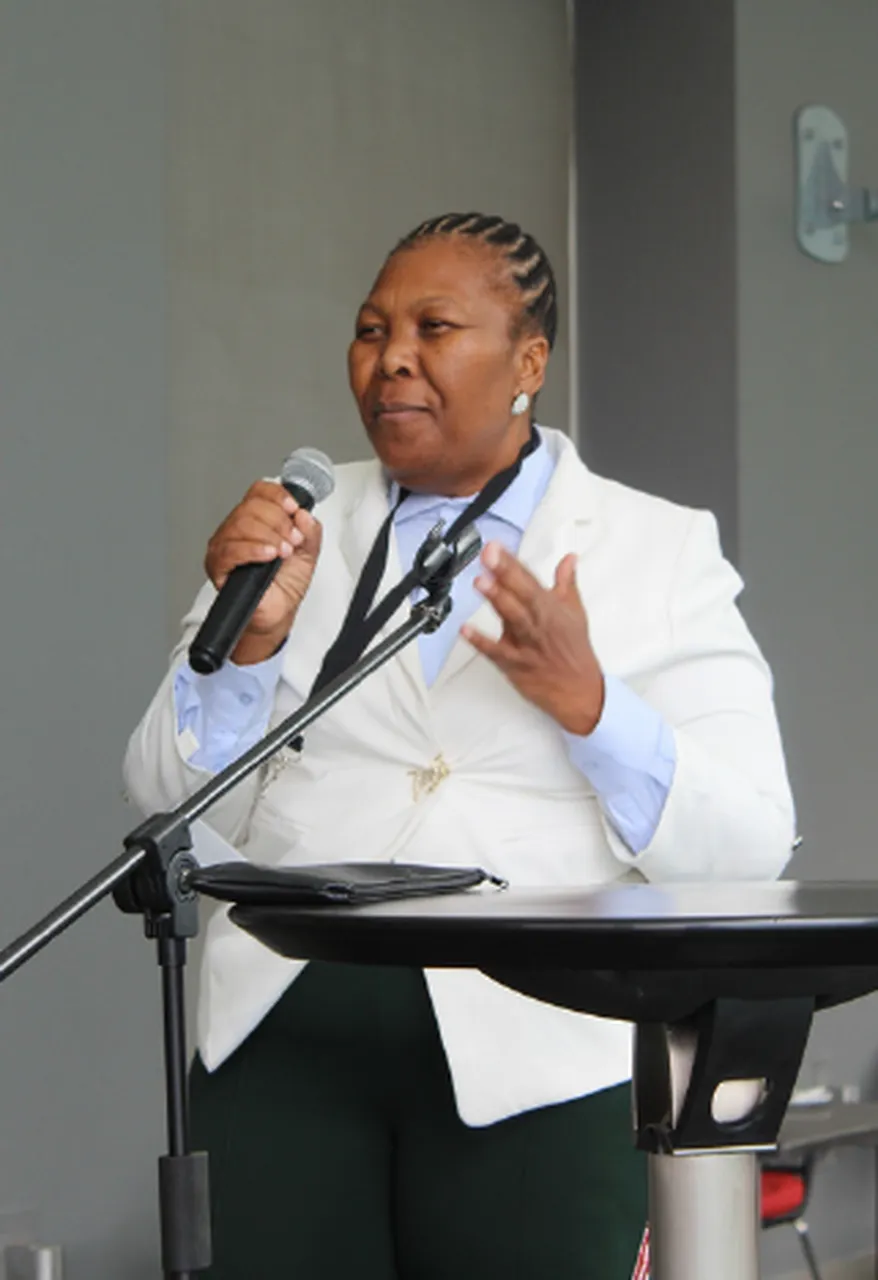
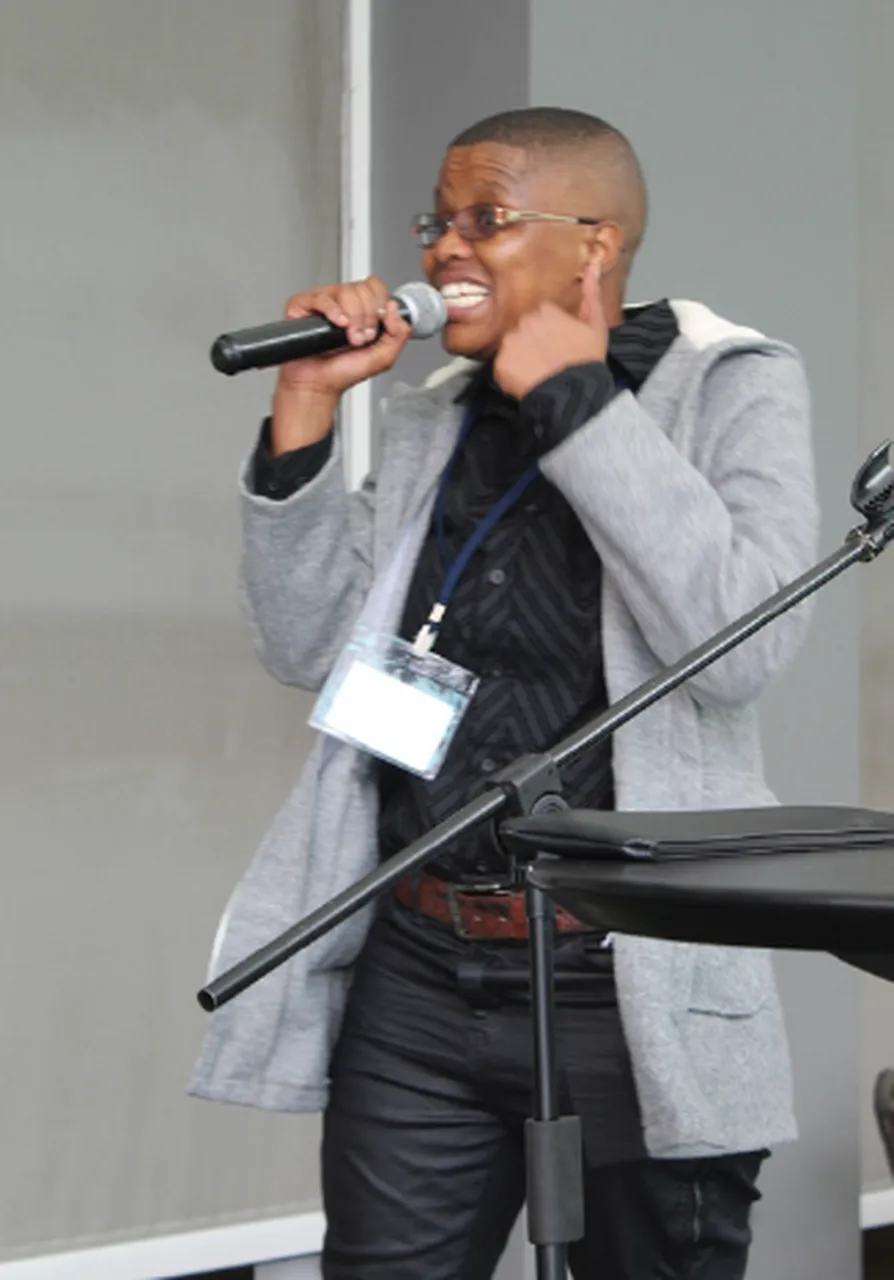
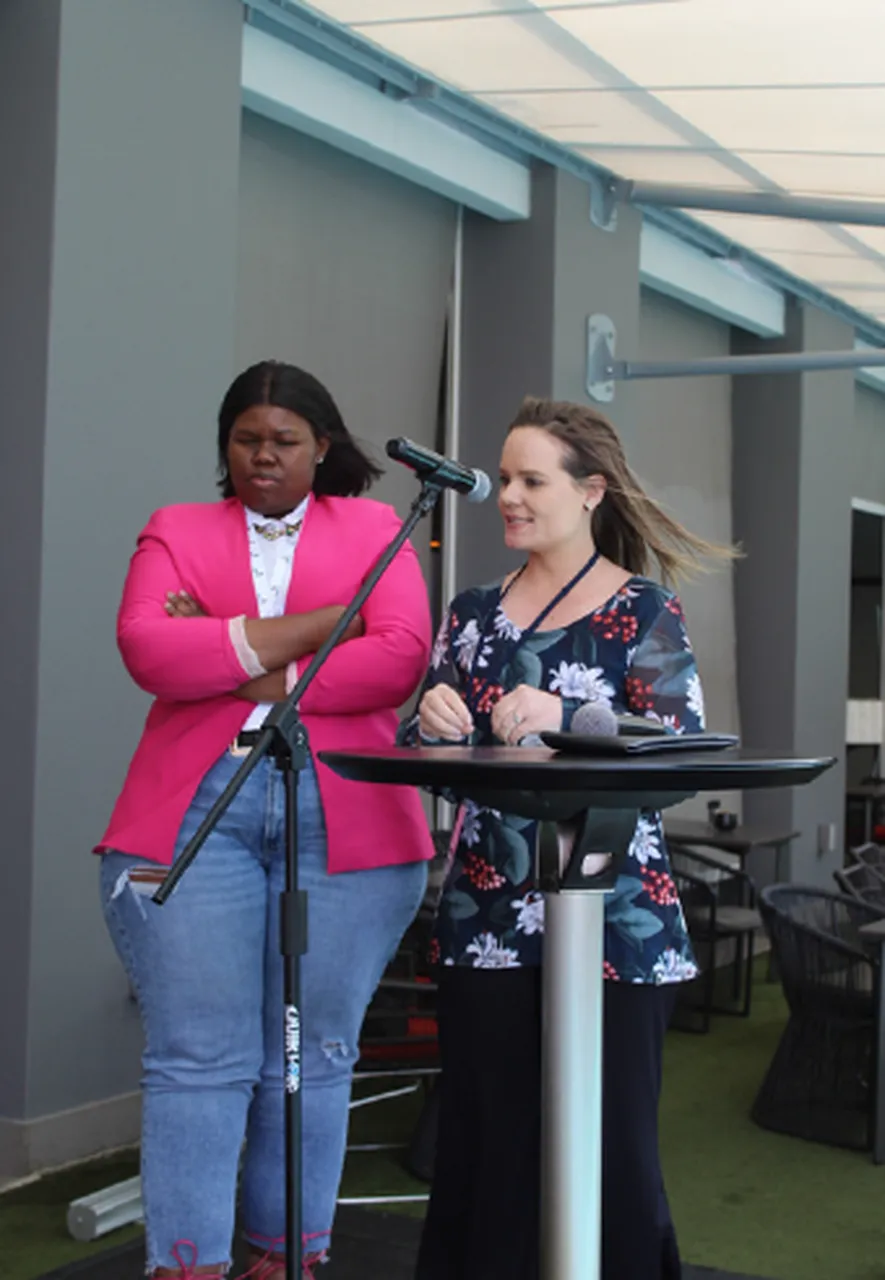
K-JET CEICC: community-led enterprises rising from a coal town's transition
That same commitment to inclusion took a different shape further along the coal value chain. In Ward 4 of Steve Tshwete Local Municipality, home to the now-closed Komati Power Station, JUST SA supported the Komati Just Energy Transition Community Engagement and Interventions Co-Creation (K-JET CEICC) Project, implemented by Indalo Inclusive with funding channelled through the Innovation Regions for a Just Energy Transition Project and the Africa Climate Foundation.
Over 16 months, the project engaged more than 180 stakeholders and community members in climate and just transition awareness workshops, before moving nearly 180 residents through co-creation workshops to turn local ideas into enterprises. Along the way, focus group discussions surfaced a clear pattern: women in Ward 4 were absorbing much of the invisible economic weight of the transition. One participant described starting a small baking business simply to get by after her husband lost his job at Komati. Yet the same discussions showed women consistently proposing practical business ideas of their own, in agriculture, recycling, catering and renewable energy.
That insight shaped who the programme ultimately backed. Of the 21 jobs created and supported through the enterprises that emerged, 67 percent went to women. Two of the standout enterprises are women-led.
iSpring Water Solutions, founded by Eneya Sibambo alongside Phindile Mncina and Lerato Ngomane, uses a solar-powered filtration system to supply treated drinking water to households and farms. It removes 99.9 percent of bacteria and parasites, reaches 17 households with free water access, and runs as a fully youth-owned enterprise.
Siphakamiseni Enterprise, led by Jane Maluma, grew from a backyard vegetable garden into an integrated crop and poultry farming business after Koornfontein Mine closed and she lost her job there. The enterprise now supports seven full-time jobs, with women making up 86 percent of its workforce.
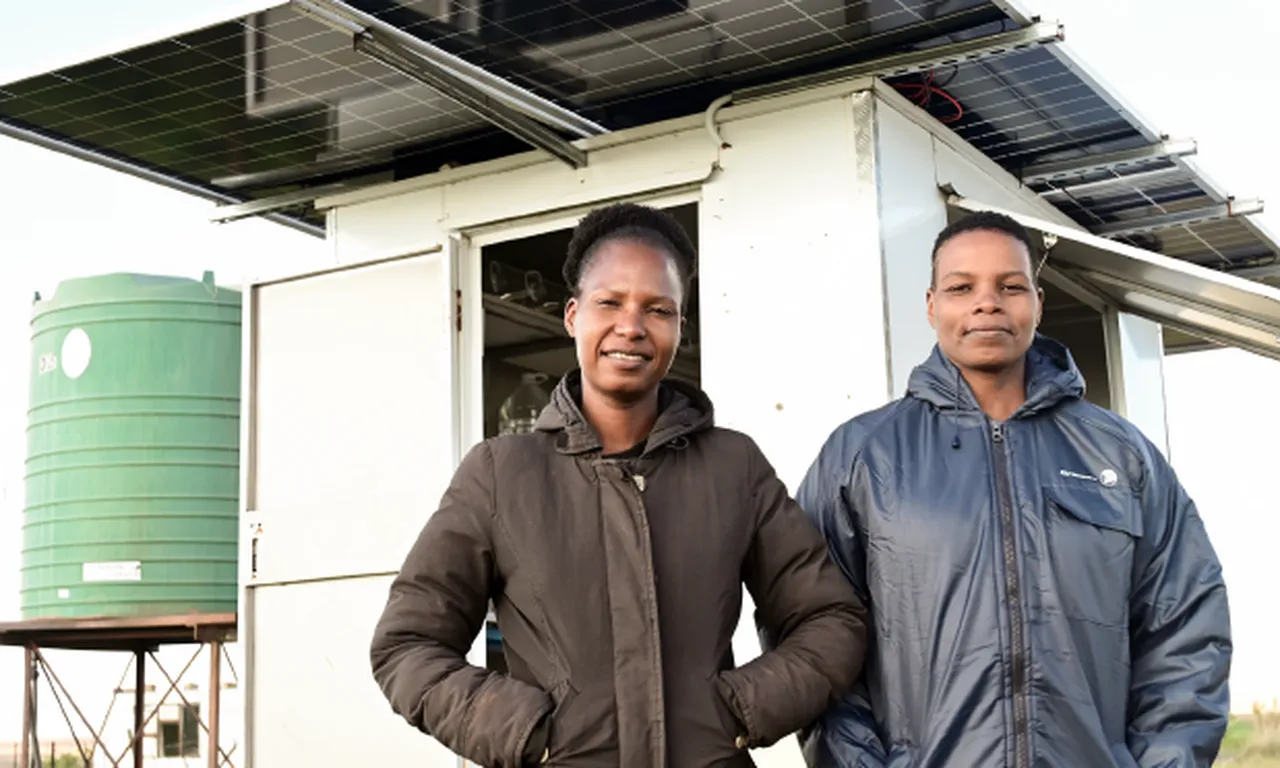
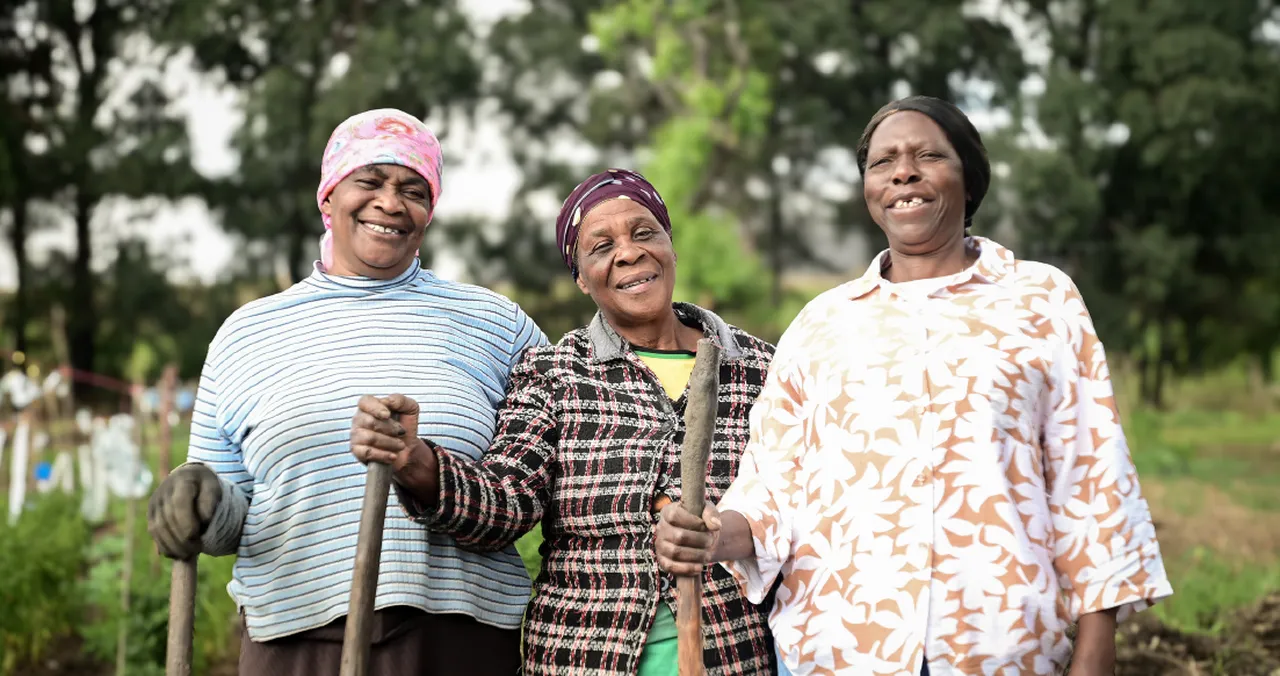
“I feel proud. We can feel that we are part of something big,” Sibambo said of the programme's impact. Maluma, reflecting on the same journey, put it just as simply: through the programme, she now works every day instead of sitting at home.
Led by women: the team driving JUST SA forward
None of this happens by chance. JUST SA's commitment to gender inclusion is reflected not only in who the project serves, but in who leads it.
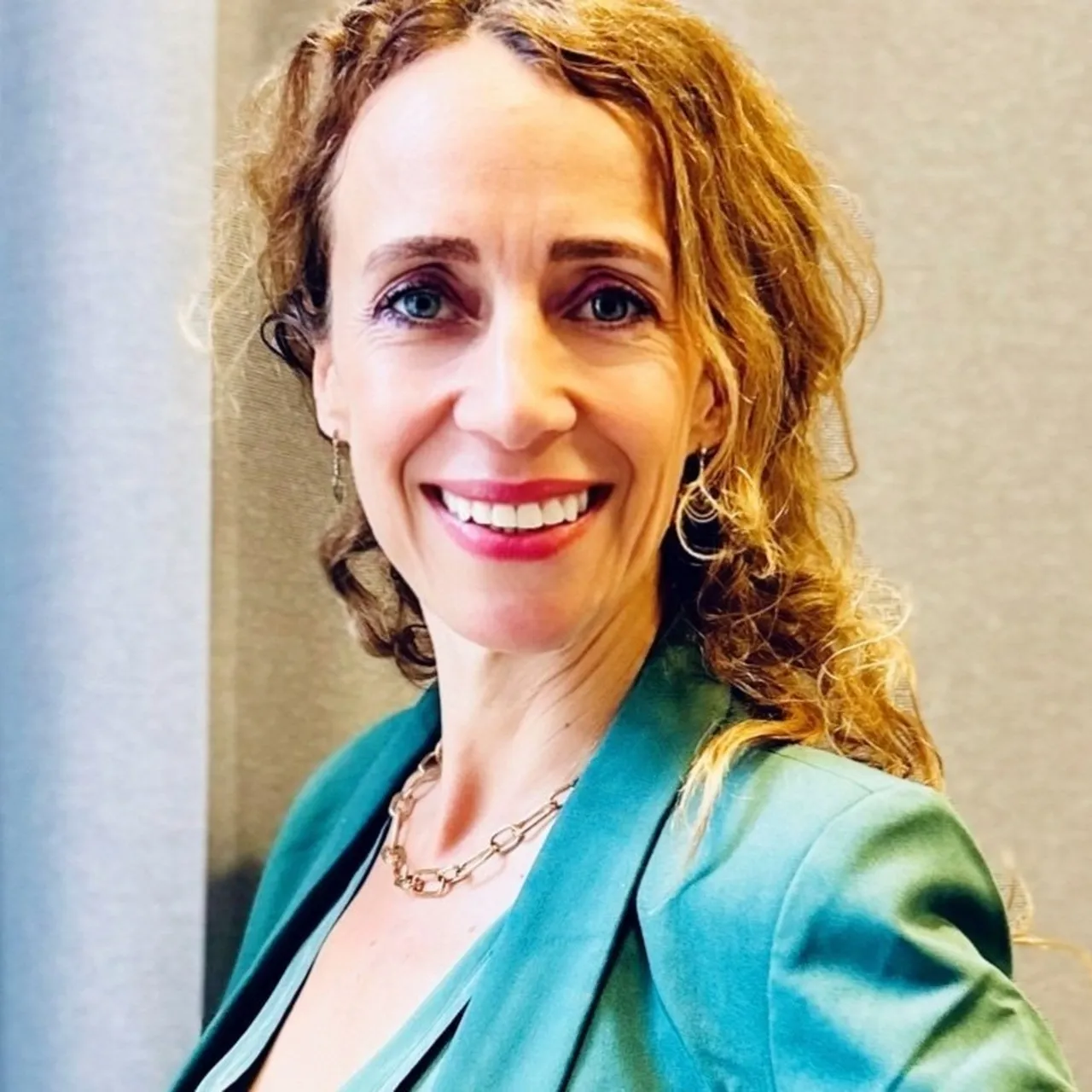

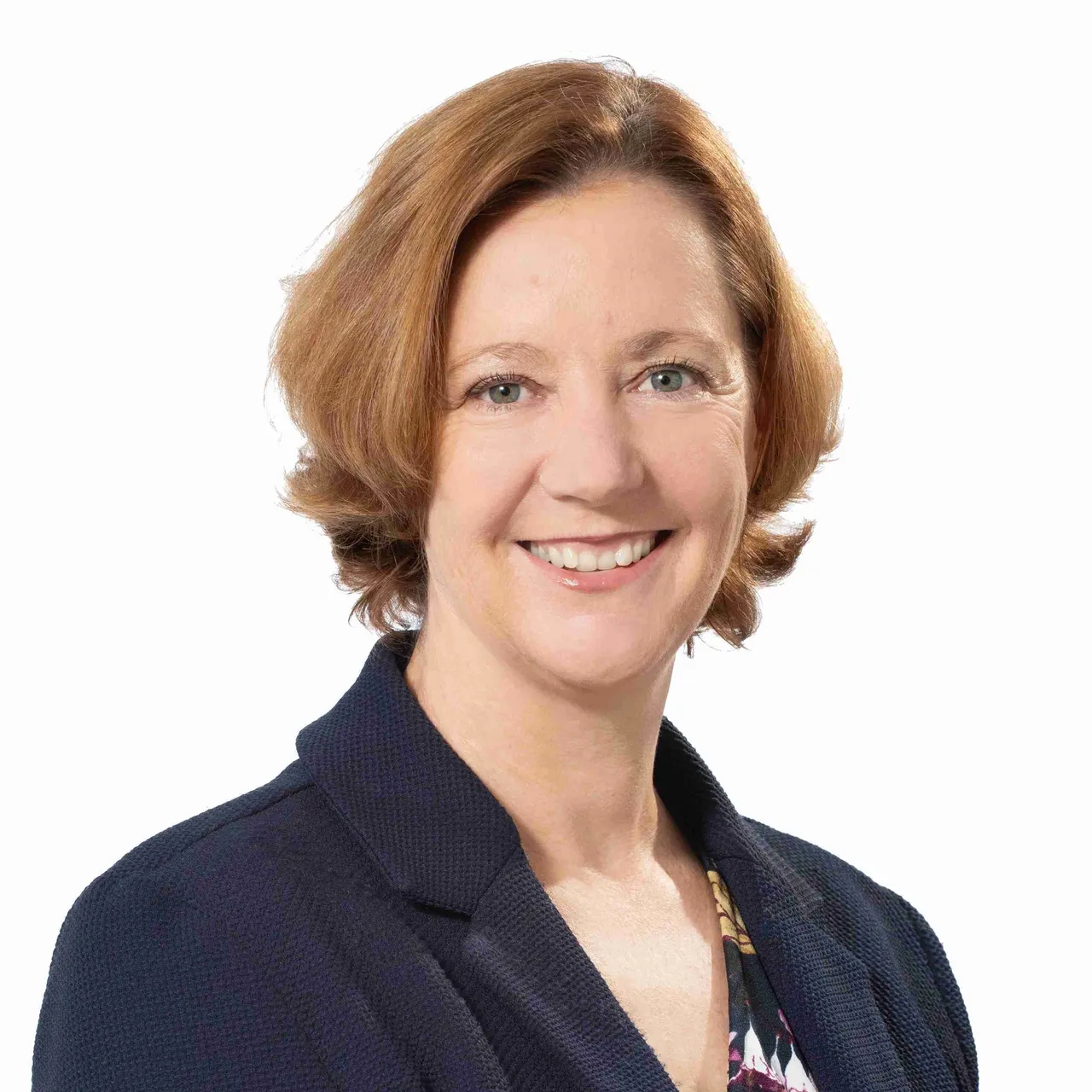
At the helm of this project is Christina von Heyden, GIZ JUST SA Project Director, an experienced leader in international development cooperation with over 20 years of professional experience, building expertise in good governance, mining, private sector collaboration, climate change and sustainable development along the way, including eight years on the ground in fragile states such as Afghanistan, Liberia, Sierra Leone and Côte d'Ivoire. Christina von Heyden | Just SA
Leading one of the project's most technically demanding workstreams is Nokwethaba Makhanya, Project Manager from WWF South Africa responsible for the work focused on rehabilitating mine-polluted water and restoring degraded land through multi-stakeholder initiatives in Mpumalanga. ,. Nokwethaba coordinates project activities, stakeholder engagement and technical partnerships aimed at addressing the environmental and social legacies of mining in the region, drawing on experience in water risk assessment, climate adaptation and land-based rehabilitation to ensure interventions are grounded in both science and local realities. Nokwethaba Makhanya | Just SA
Working alongside the project as a senior figure at partner organisation NBI is Gillian Maree, Senior Programme Manager: Environment. NBI's role in JUST SA is to strengthen the capacity of selected municipalities in Mpumalanga and enhance private sector participation by promoting engagement and supporting the implementation of Just Transition pathways. Gillian brings 25 years of experience in sustainability, evidence-based policy and strategic planning, working at the intersection of research and implementation on water, biodiversity, environmental change and climate. Gillian Maree | Just SA
Building the evidence base: gender mainstreaming across the consortium
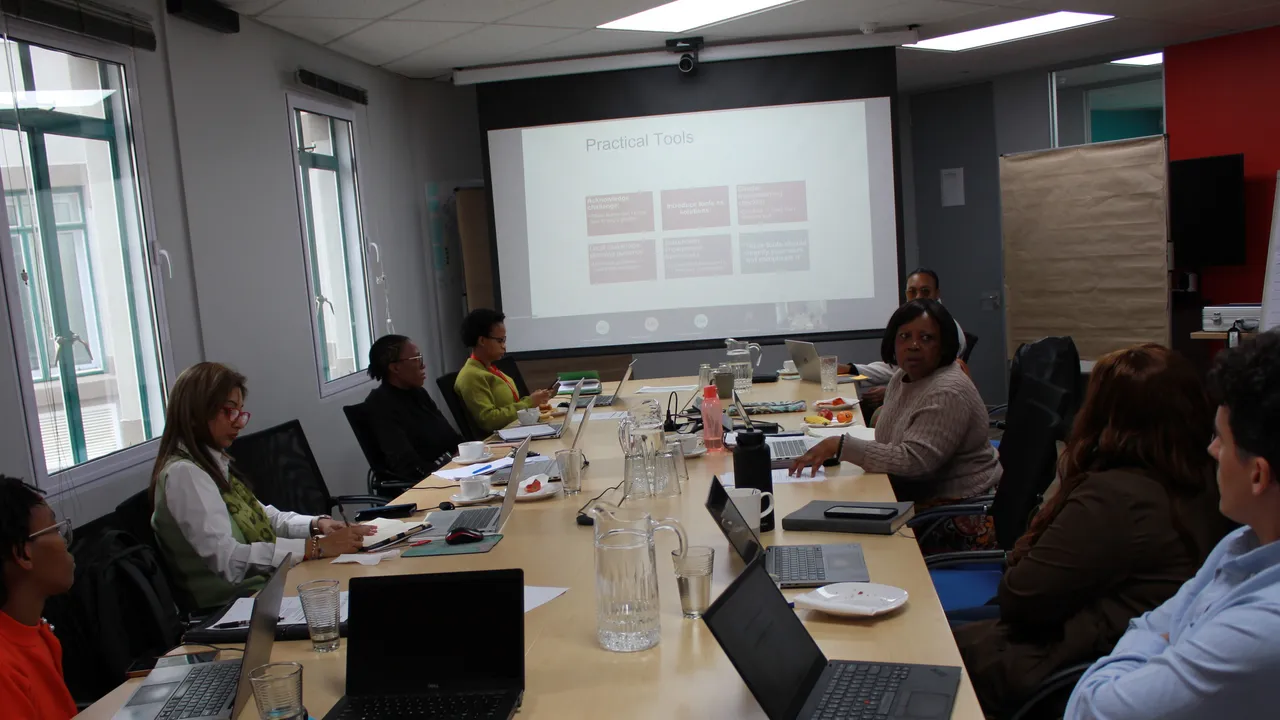
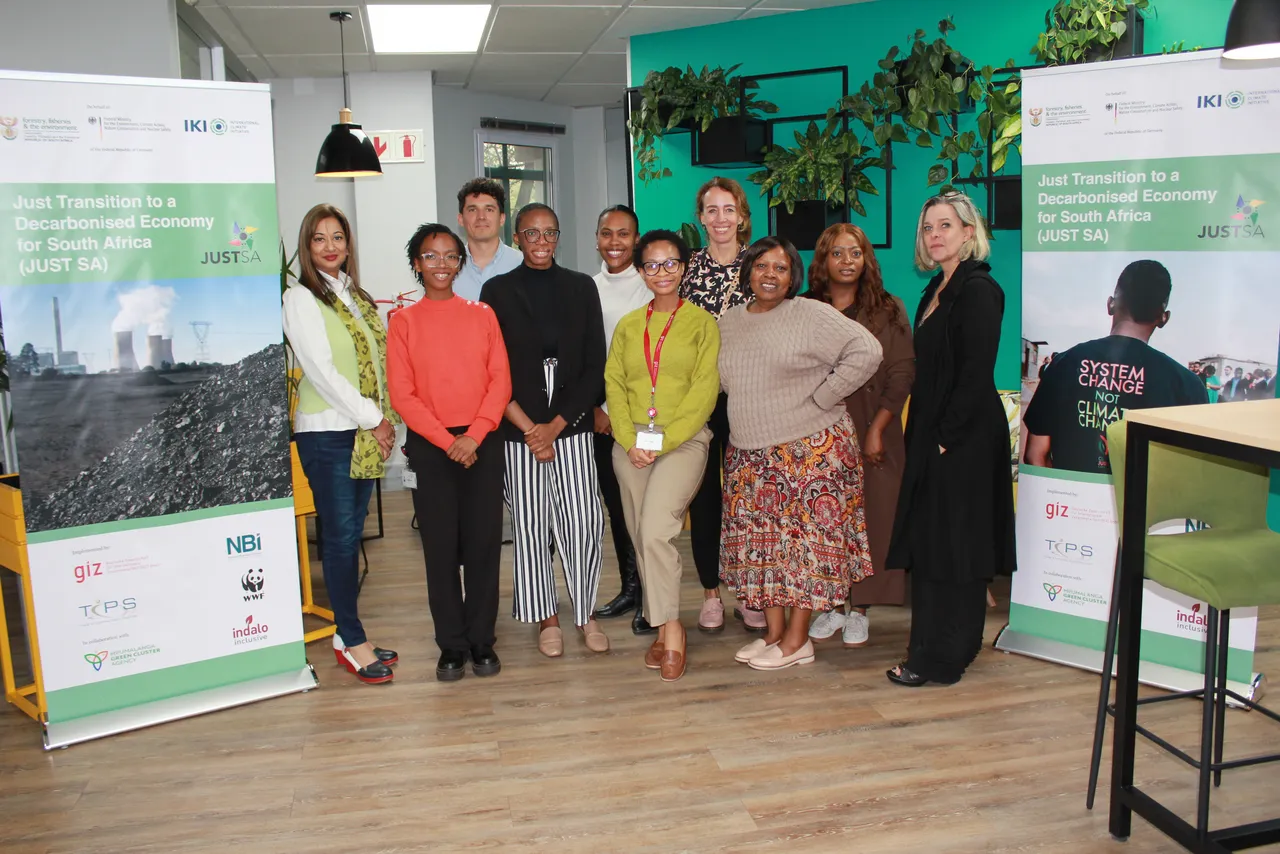
That commitment to evidence was made concrete earlier this year, when the JUST SA team brought together consortium partners and key implementing partners from the Mpumalanga Green Cluster Agency and Indalo Inclusive for a dedicated, full day gender workshop led by Ndivile Mokoena. The session introduced a Gender Mainstreaming Checklist that now guides how the consortium can plan, implement and monitor its work, from project design and stakeholder engagement to economic empowerment and monitoring, against a simple standard: are women, men, youth and marginalised groups genuinely part of the process?
At the end of the day it was agreed that inclusive stakeholder participation, women influencing decisions, and gender built into work plans and budgets are held up as the standard the consortium is working toward, backed by a clear principle: gender mainstreaming is not an add-on, but part of what it means to implement effectively and equitably.
Building on that foundation, a dedicated gender workstream within JUST SA continues to ensure these considerations are carried through the project's work on the ground. This includes studies to be conducted which will help the consortium better understand the barriers women face in accessing green economy opportunities and sharpen how JUST SA and its partners respond to them.
A just transition that leaves no one behind
From the six women-owned enterprises backed through i-JTEP Upscale, to the women who make up two-thirds of the jobs created through the K-JET CEICC Project and the women leading the project's work day to day, through these few examples of many, JUST SA is proof that a just transition and gender equity go hand in hand. As Women's Month gives way to spring, the project carries that work forward, a reminder that the growth being cultivated this year in Mpumalanga's communities, businesses and leadership is only just beginning to show above the ground.