Mine Rehabilitation and Mine Water Treatment
JUST SA aims to counter the negative environmental impacts of mining.
JUST SA aims to empower stakeholders with strategies to restore former mine lands sustainably, reducing the negative environmental impacts of mining. This involves cooperation among technical experts and decision-makers, supporting multi-level governance frameworks, and managing financial provisions for mine closure and rehabilitation. The project tests technical solutions to reduce mine water contamination and improve mine closure processes, while collaborating with government, civil society, communities and private sector entities.
Key Activities
Through a series of multi-stakeholder consultations and collaboration with various technical experts, WWF South Africa is working on the developing business cases for coal mine rehabilitation and the treatment and utilisation of mine-affected water. Through the JUST SA project, WWF South Africa maintains regular consultations with its Technical Advisory Group and facilitates dynamic exchanges of ideas, providing essential guidance, support, and knowledge sharing on policy, research, and practical solutions related to mine water treatment and land rehabilitation. These efforts underpin the technical and economic analysis being developed in the project to support solutions for mine rehabilitation and mine-affected water treatment. This multi-stakeholder engagement enhances collaboration and knowledge exchange to support sustainable mine rehabilitation and water management, integral to the project’s vision of a just transition in coal-dependent regions.
WWF plans to host community dialogue sessions and workshops that will allow for a participatory approach with local communities to identify needs-based solutions around the issues around mine rehabilitation and mine-affected water.
As part of WWF South Africa's work in the project, cooperation and knowledge exchange platforms are established with multiple stakeholders to test and model different approaches to mine closure and water treatment. This collaborative effort aims to explore and refine solutions that support environmental rehabilitation and sustainable management of mine-affected water and land resources.
WWF South Africa aims to develop multi-level governance approaches, provide policy advice to ensure sustainability of mine closure, and develop a proposed regional mine closure strategy and roadmap for Mpumalanga
Results and Highlights
have been held where experts discuss the treatment and utilisation of mine water and rehabilitation of coal mines
with key stakeholders within Mpumalanga
a regional mine closure strategy and roadmap for Mpumalnaga
based on a feasibility study to assist in the rehabilitation of mining land or water endorsed by the technical advisory group
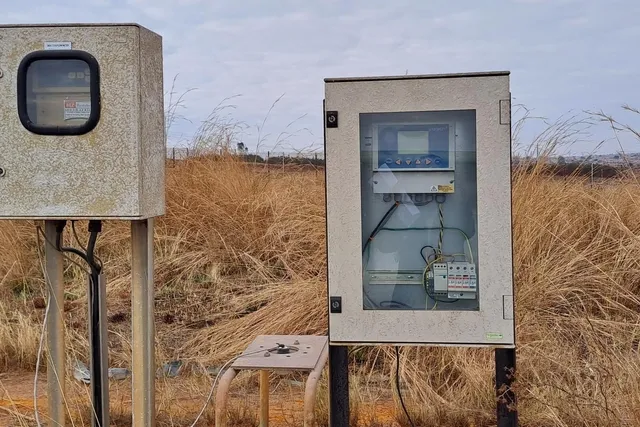
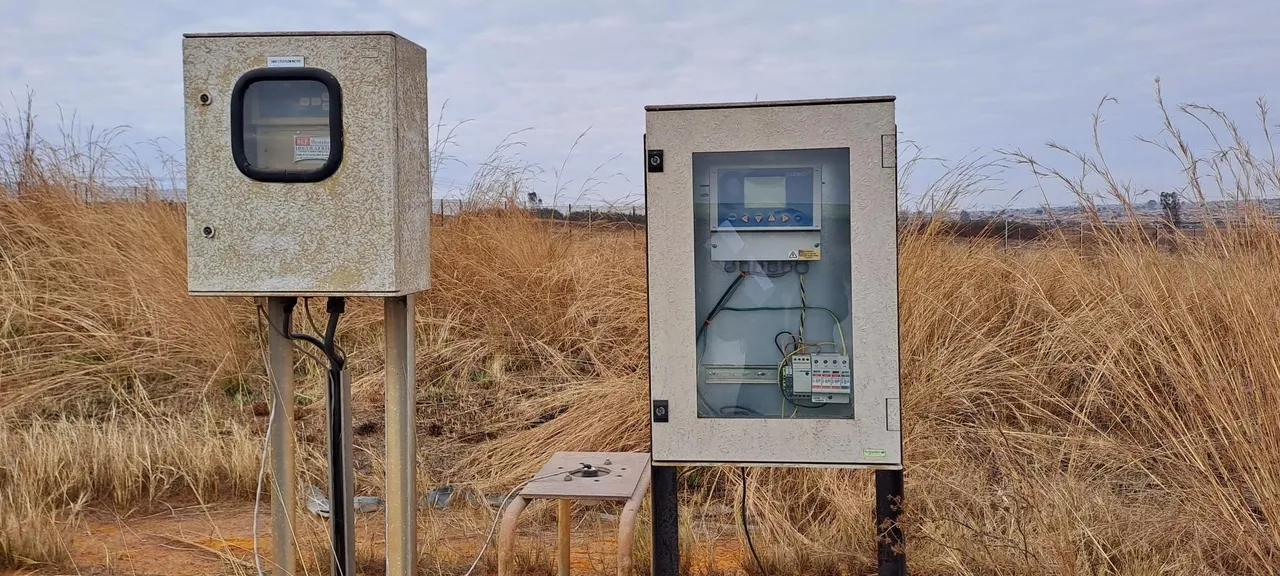
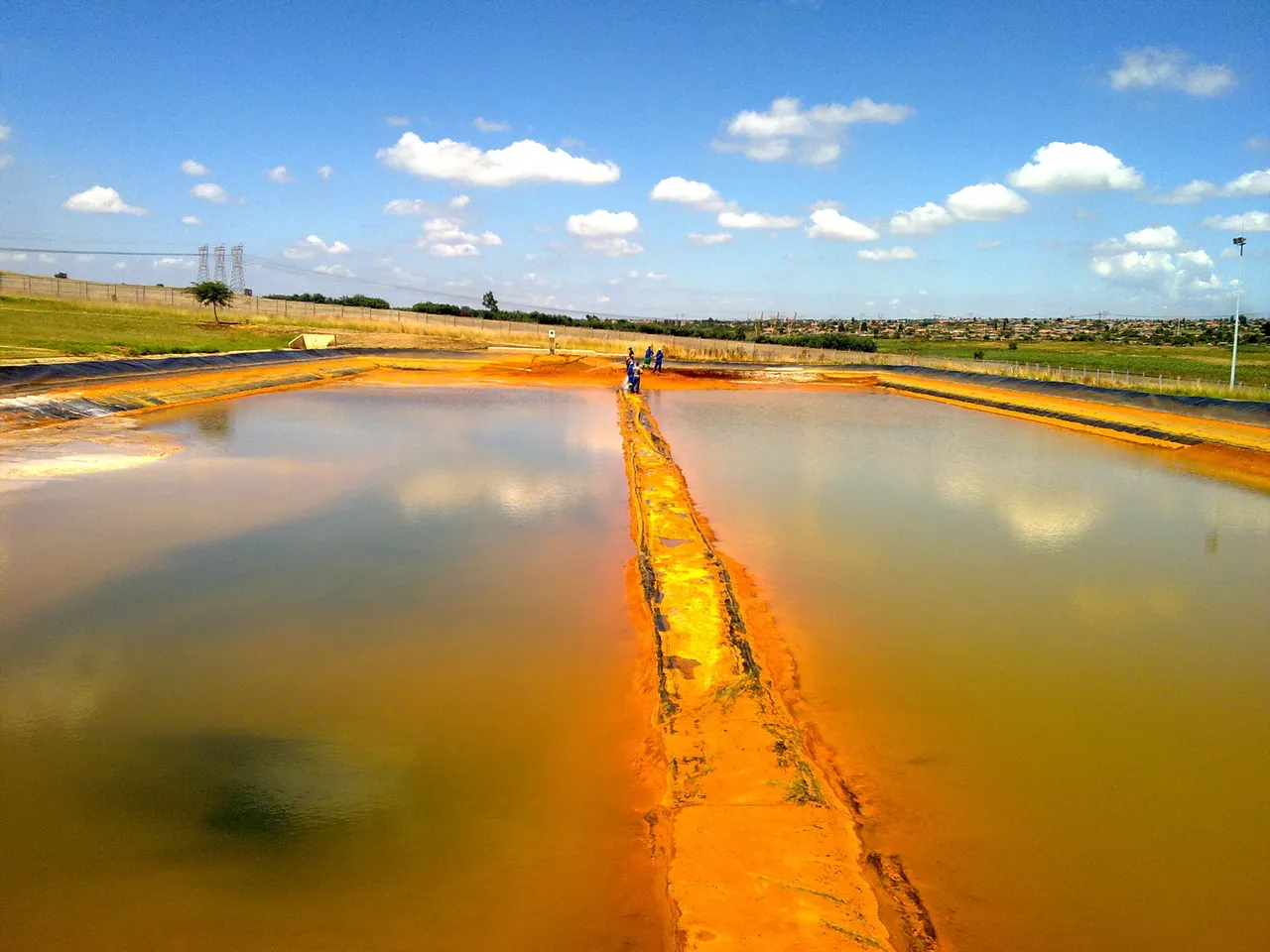
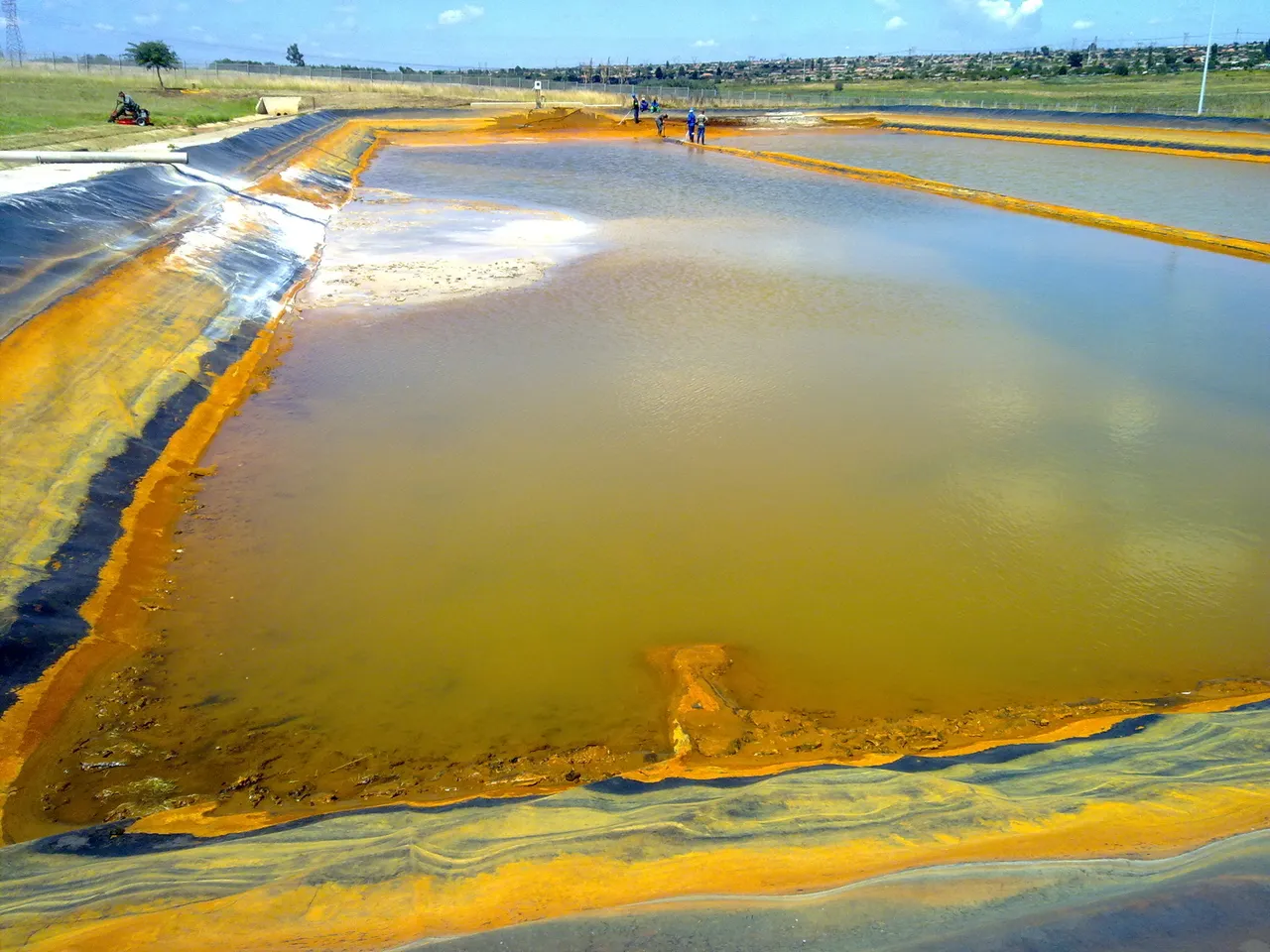
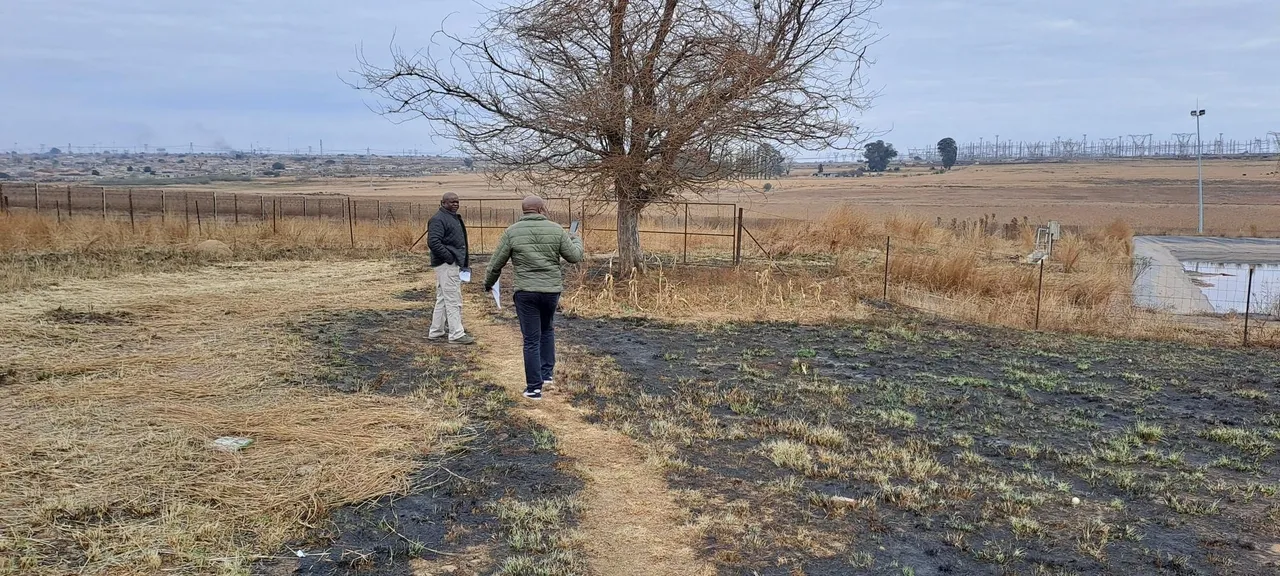
Brugspruit Site Visit

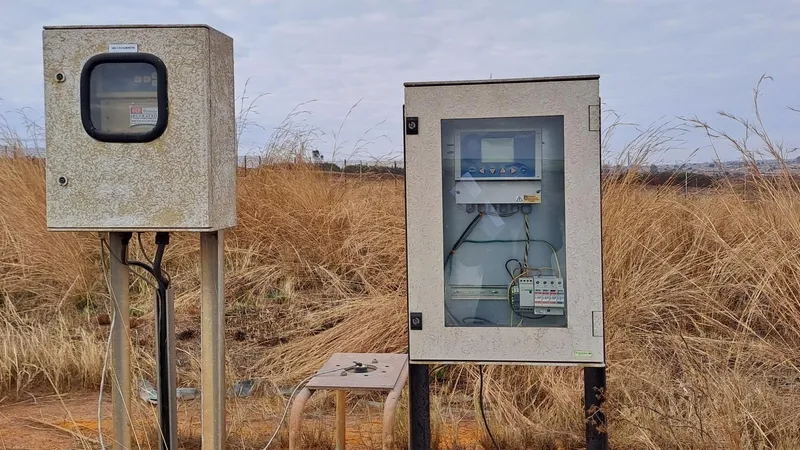
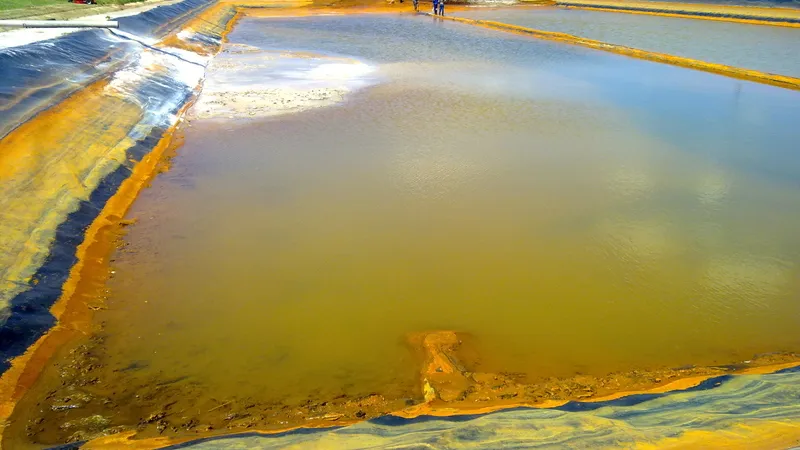
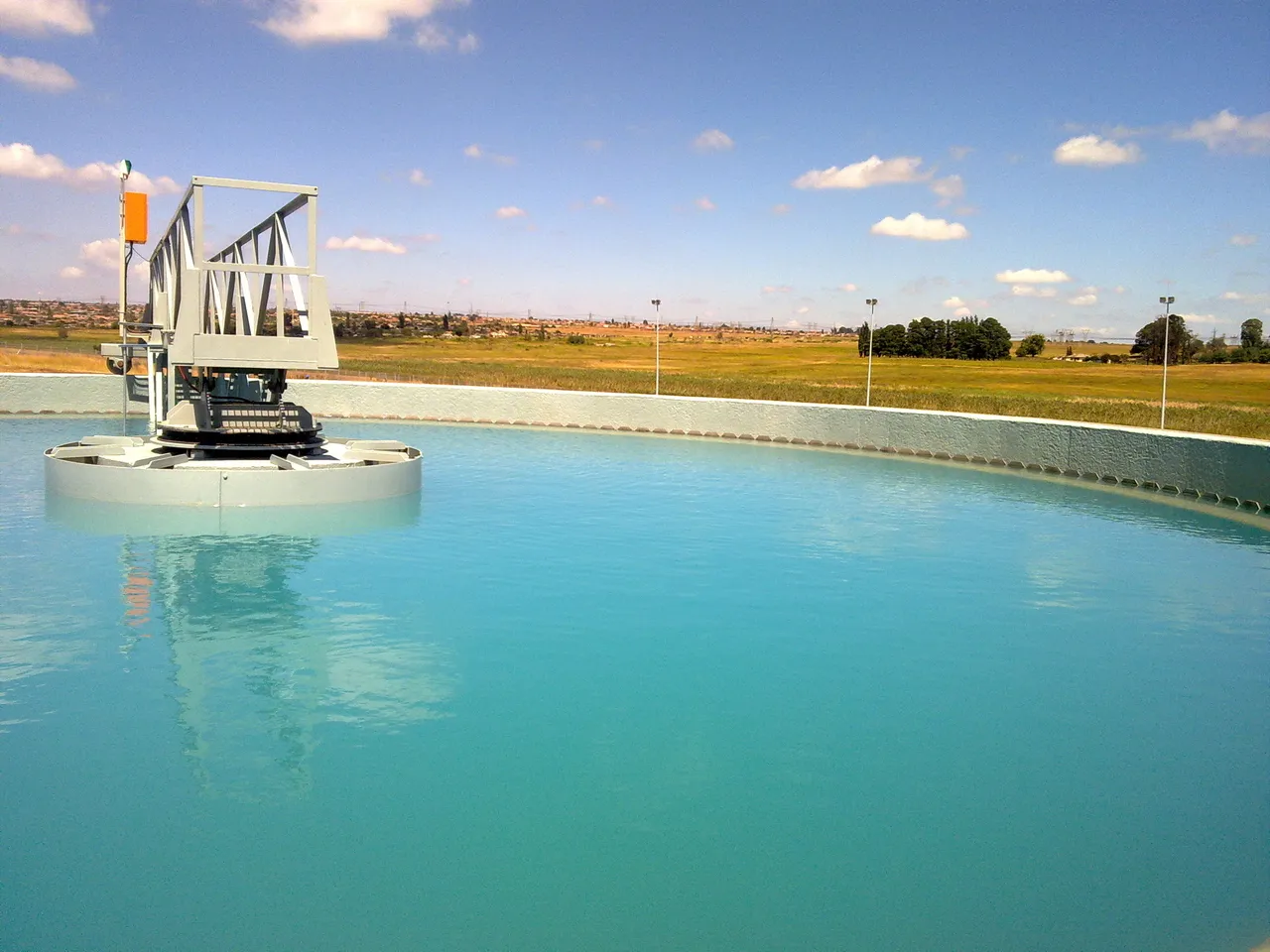
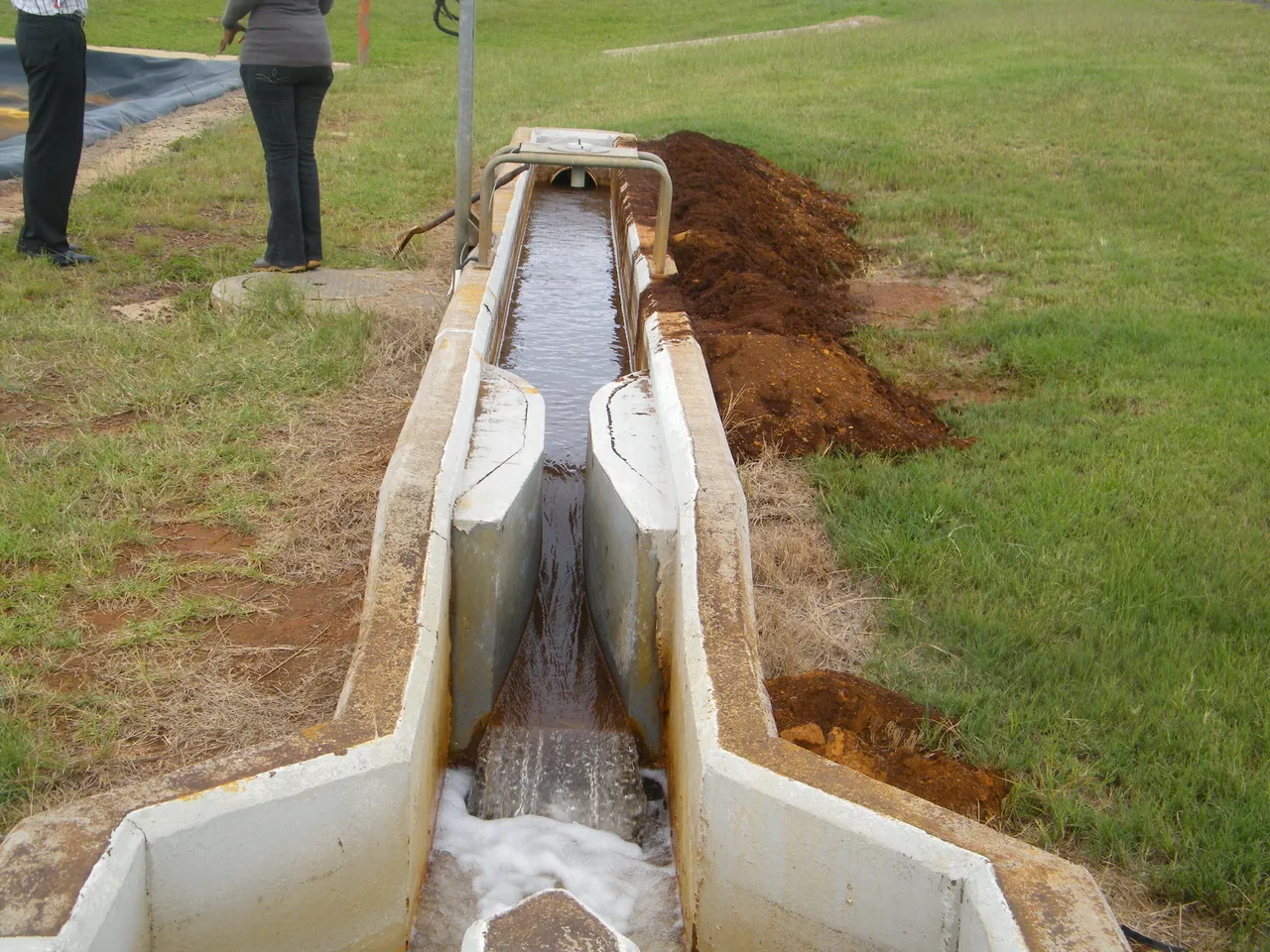
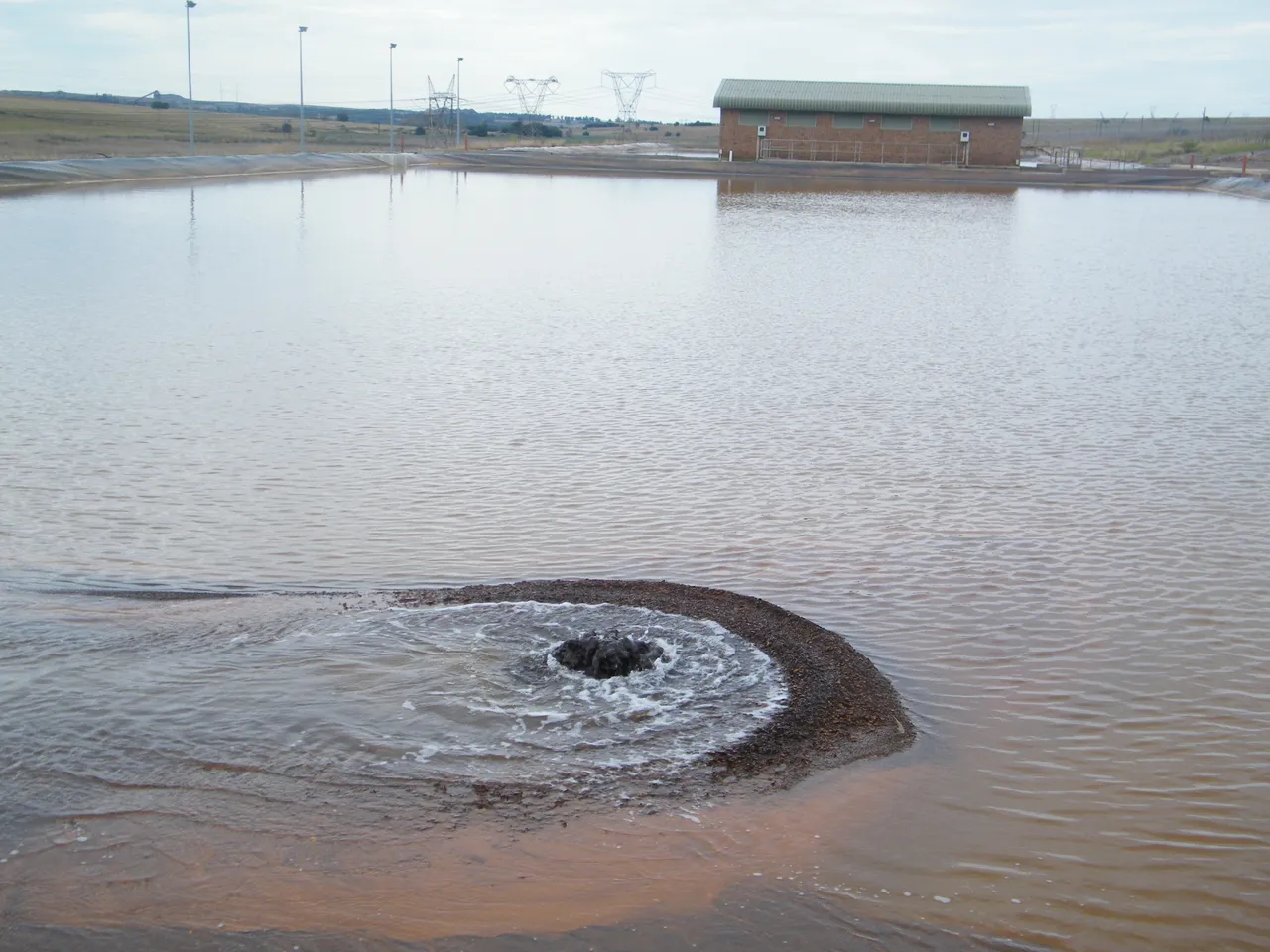
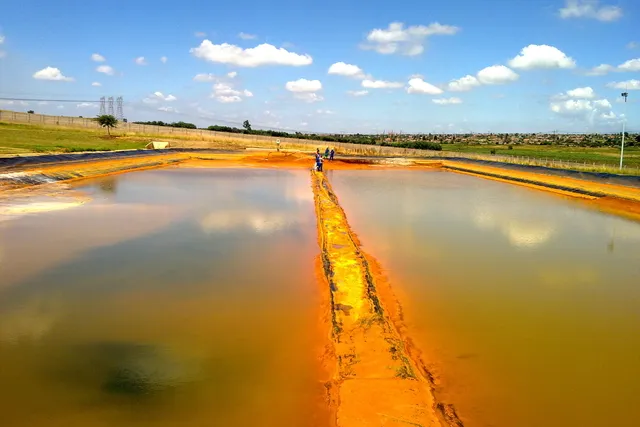
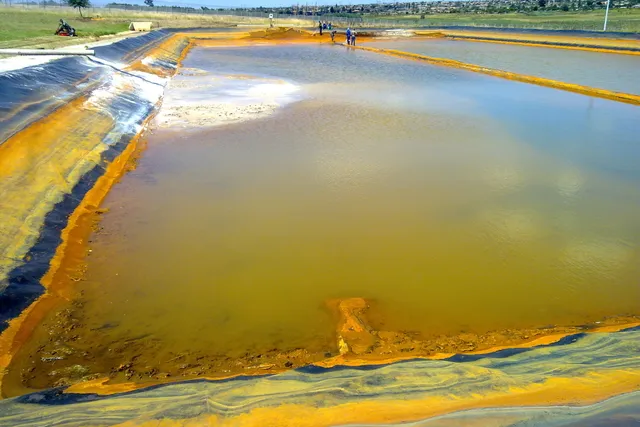
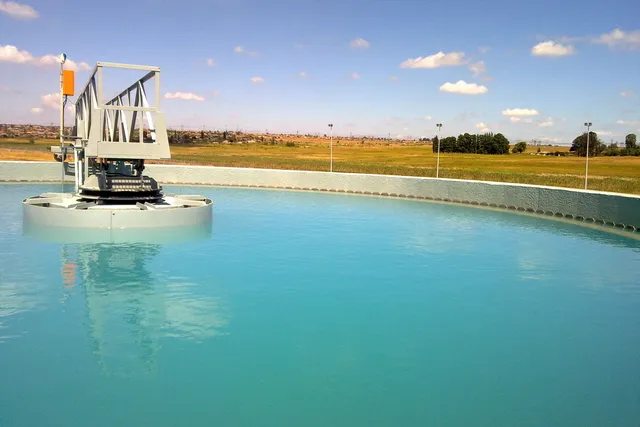
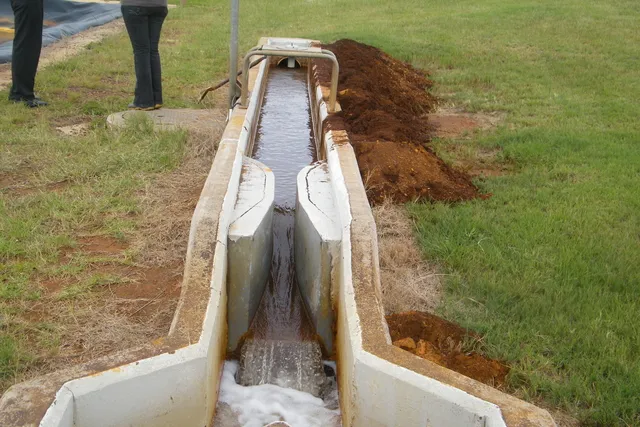
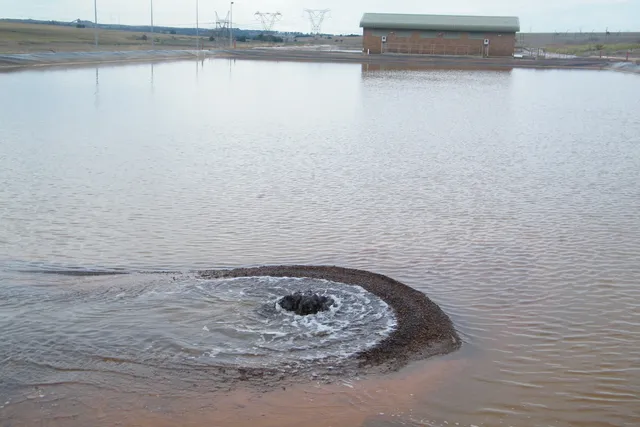
One key activity includes a pre-feasibility study focused on revitalising the Brugspruit Water Pollution Control Works (BWPCW) in Emalahleni, Mpumalanga. Commissioned in 1997 to treat mine-affected water from abandoned coal mines, the BWPCW has been non-operational since 2006, leading to ongoing pollution risks for local water resources and communities.
This study will assess options to refurbish, repurpose, or reimagine the facility as a demonstration site for inclusive, low-carbon mine water treatment, aligning with the project’s goals for environmental restoration, circular economy initiatives, and socio-economic upliftment in the context of South Africa’s just transition away from coal.
Relevant Documents
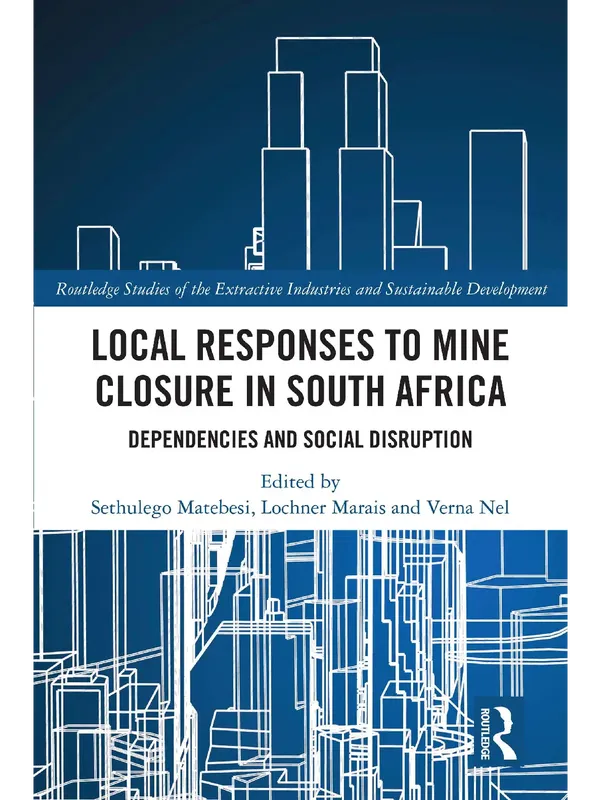 DOCUMENT
Routledge Studies of the Extractive Industries and Sustainable Development DOI: 10.324/9781003403326
2024Matebesi, S; Marais, L; & Nel, V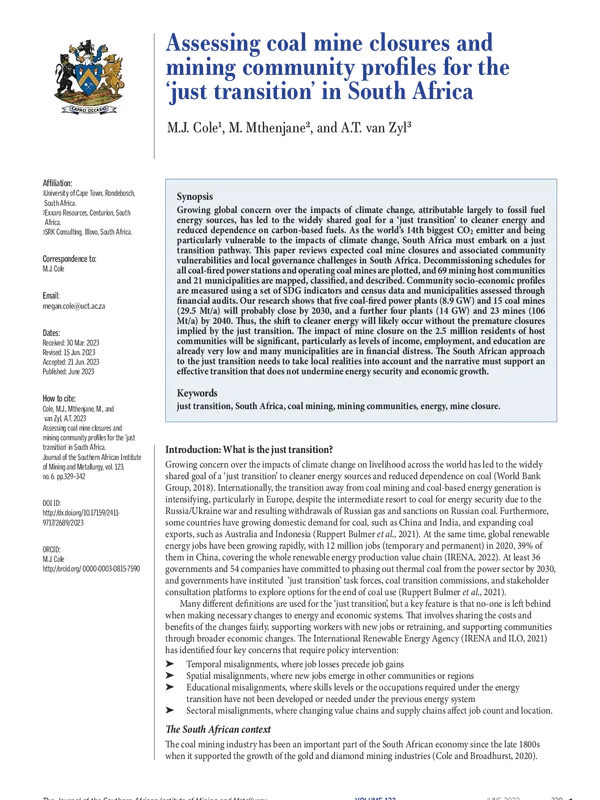 DOCUMENT
Assessing coal mine closures and mining community profiles for the Just Transition in South Africa
2023Cole, M.J; Mthenjane, M; & van Zyl, A.T