Early Lessons and Recommendations from Komati’s Decommissioning and Repurposing Project
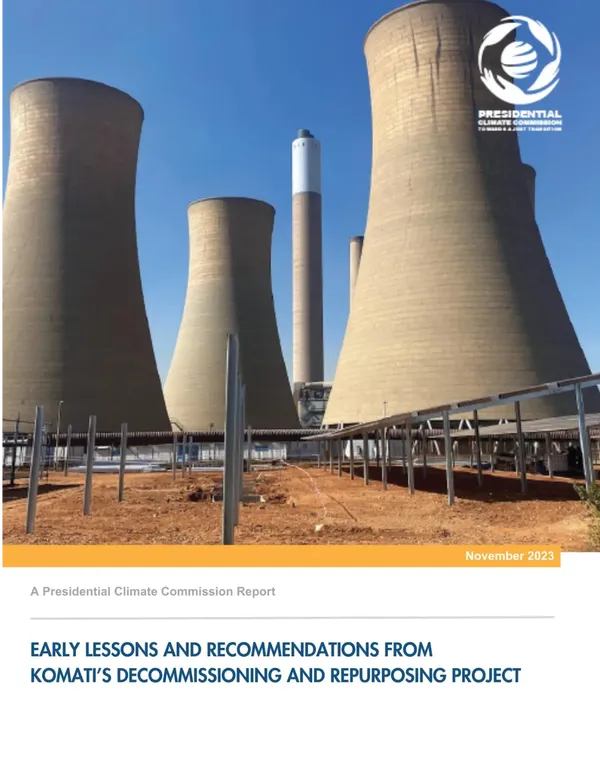
The research report on the Komati Power Station decommissioning and repurposing outlines key lessons and recommendations for future projects of this nature in South Africa. The Komati Power Station, operational since 1961, was decommissioned between 2018 and 2022. In 2022, a World Bank project allocated US$497 million to support the decommissioning, repurpose the project area and provide support and create opportunities for workers and the community. The report emphasises aspects that are critical to ensuring a just transition in the closure of a coal-fired power station including the need for broader project scopes, inclusive public engagement, timely planning, multi-stakeholder approaches, and diversified financial resources for successful just transitions. Despite shortcomings in the closure of the power station, the report sees potential for Komati to emerge as a post-transition town of national significance.
Key Findings/Recommendations:
The report finds that the Komati project was implemented initially with a narrow scope and recommends that the project scope should be broadened and expanded to achieve deeper, transformational shifts, in partnership with key stakeholders. Additionally, the report finds that the engagements about the decommissioning process at Komati lacked the inclusive and participatory elements necessary to uphold procedural justice. Furthermore, community members and workers affected by the transition need to be involved in decision-making. Getting the timing and sequencing right on decommissioning and repurposing projects is essential and these projects need to be planned well in advanced. In addition, a multi-stakeholder approach needs to be adopted to design and oversee effective transitional projects. Finally, secure and diverse financial resources are required are required for decommissioning, repowering, and repurposing projects for various project aspects.
Read online: Click Here
More Policy interventions research

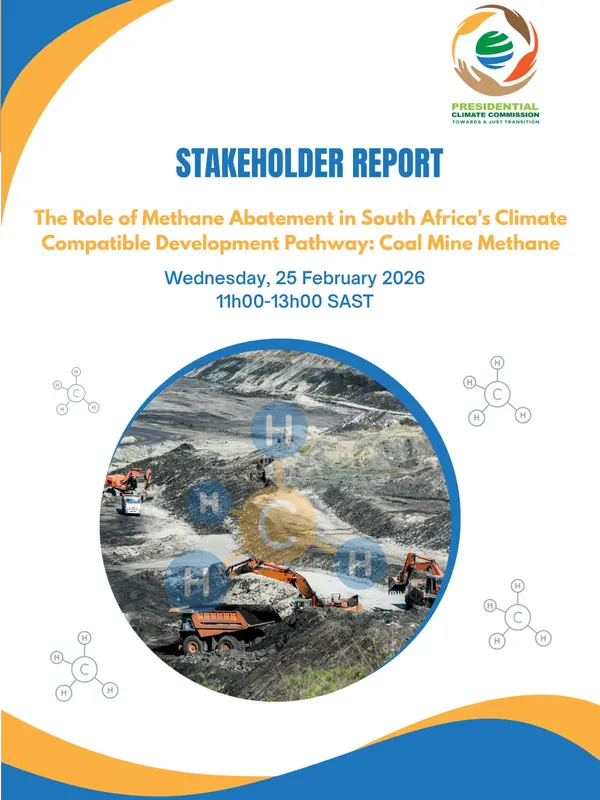
Stakeholder Report: Role of Coal Methane Abatement in SA's Climate Compatible Development Pathway