Just Transition and Coal: Insights from the TIPS Learning Event
- JustSA
TIPS is conducting research under multiple projects to assess the impact of the energy transition on coal workers and the necessary conditions for a just transition in line with the PCC’s Framework for Just Transition. Elements of this research were presented at a Learning Event on 5 November 2025.
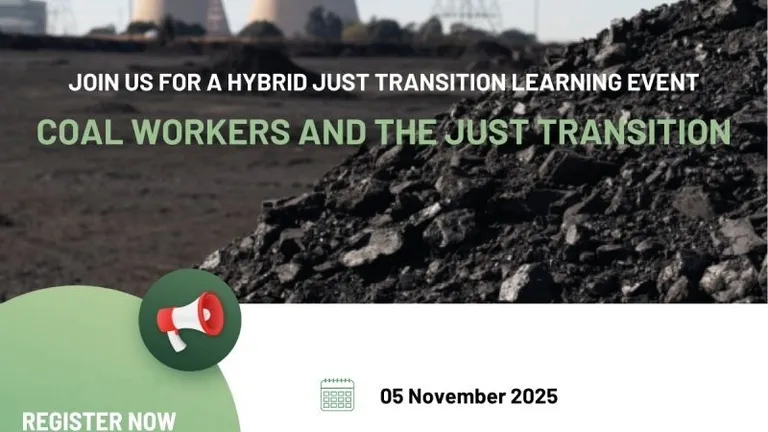
TIPS Learning Event: Understanding Worker and Community Vulnerabilities in South Africa’s Just Transition from Coal
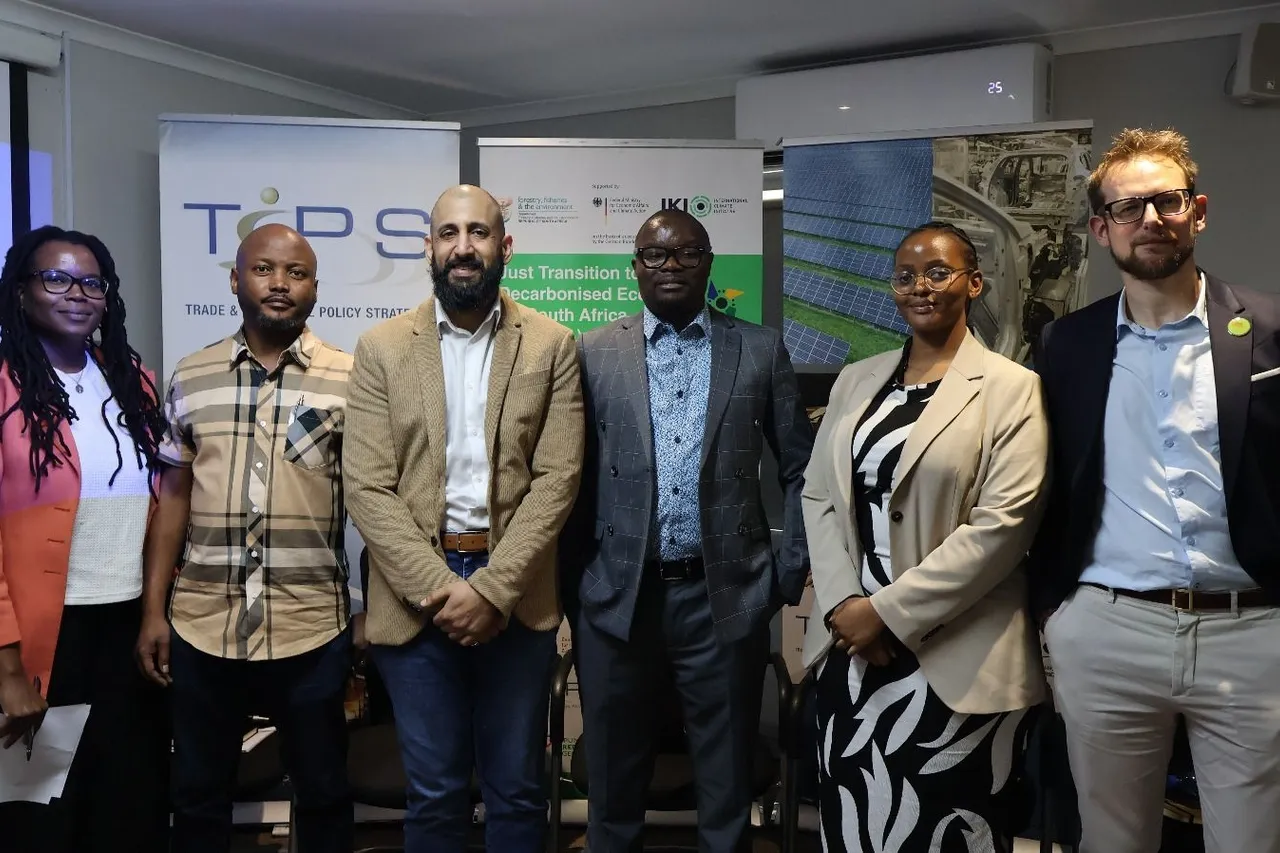
The TIPS Just Transition Event, chaired by Nokwanda Masego from TIPS, aimed to present findings from various studies on South Africa's just transition efforts focused on the coal sector. The event brought together research from TIPS, JUST SA, and the Just Transition Labor Center to deepen understanding of the coal transition's social and economic impacts, particularly on workers and communities. Emphasis was placed on linking country coal dependence with worker and community vulnerability within the larger context of decarbonization and economic transformation.
Speakers
The session featured four main presenters:
- Muhammad Patel, presenting an updated National Employment Vulnerability Assessment (NEVA) for the coal value chain.
- Chere Monisa, discussing coal workers’ attitudes and trade union responses to the just transition.
- Simbarashe Mhaka and Nothembi Mahlangu, sharing research on existing industry provisions and social-labor plans for coal workers in transition.
- Gaylor Montmasson-Clair (Southern Transitions) served as the discussant, providing reflections and synthesizing discussion points.
Key Discussions
Key discussions centered on the vulnerability of coal workers given South Africa’s heavy coal reliance and how the just transition policies and labor actions are responding:
- Coal remains a critical economic pillar, particularly in Mpumalanga, where around 86% of coal workers are employed.
- The just transition presents challenges such as skills mismatches for semi-skilled coal workers and the economic ripple effect on dependent communities.
- Trade unions, particularly COSATU and its affiliates (e.g., NUM, Fedusa), play a pivotal role. They emphasize the need for gradual and well- planned coal phase-outs with active labor market policies including retraining and social protections for affected workers.
- Existing industry provisions, especially Social and Labor Plans (SLPs), provide frameworks to support workers but face challenges like inadequate consultation, lack of uniform implementation, and limited support for outsourced workers.
- Transport logistics (rail and road) affect coal export and domestic dynamics and have been improving after past disruptions.
- Global geopolitical factors and decarbonization pressures in key international coal markets (India, China) influence South Africa’s coal demand outlook, underscoring uncertainty.
Key Insights
- The just transition is a long-term multi-decade process requiring coordinated economic restructuring beyond immediate energy concerns, including regionally targeted job creation.
- Workers’ education levels and skill gaps highlight the need for targeted reskilling and vocational programs that align with labor market demands.
- There is growing recognition that the energy transition must be socially just, incorporating broader socio-economic transformation to avoid “ghost town” effects in coal-dependent areas.
- Collaboration between government and the coal industry is critical for effectively designing and implementing worker support policies.
- The transition entails balancing global decarbonization imperatives with local context and worker realities, making a strong case for South Africa’s pace and manner of move away from coal to be carefully managed.
This event provided a rich, evidence-based discussion on the complexities of South Africa’s coal transition and underscored the importance of policy coherence, inclusive stakeholder engagement, and proactive labor market interventions to ensure a just transition.