Advancing the Just Transition on the Ground: Two Days in Mpumalanga with WWF South Africa
- N Mhlontlo, GIZ
Mpumalanga sits at the heart of South Africa's just transition story. It is where the country's coal economy has powered growth for decades, and where the costs of that legacy such as degraded land, polluted water, and communities left to carry the burden, are most visible. It is also where some of the most promising solutions are being tested.
Advancing the Just Transition on the Ground: Two Days in Mpumalanga with WWF South Africa
Over the 13th and 14th of August 2026, JUST SA and WWF South Africa came together with key stakeholders to take stock of the challenges and potential collaboration to drive mine affected water treatment solutions and mine rehabilitation initiatives in Mpumalanga.
Day One: The Mpumalanga Mine Rehabilitation and Repurposing Technical Task Team
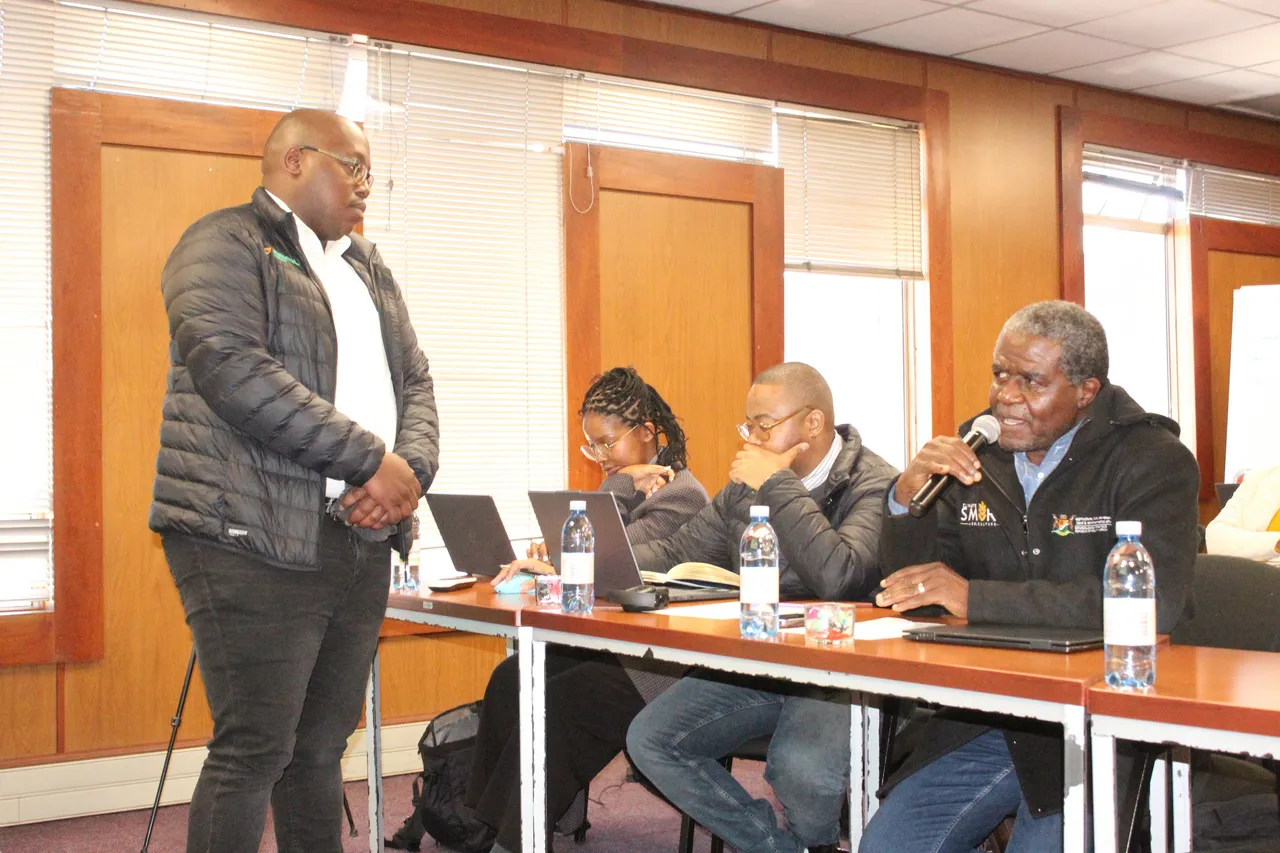
The first day opened with a meeting of the Mpumalanga Mine Rehabilitation and Repurposing Technical Task Team - a platform that brings together a broad spectrum of stakeholders to grapple with one of the province's most pressing just transition challenges on how mined land can be responsibly rehabilitated and repurposed for alternative uses.
The meeting was attended by stakeholders such as Eskom, Department of Mineral Resources and Petroleum (DMPR), Mpumalanga Department of Agriculture, Rural Development, Land and Environmental Affairs (DARDLEA), the Just Energy Transition Project Management Unit (JET PMU) in the Presidency, GIZ, WWF South Africa to name a few and was facilitated by the Mpumalanga Green Cluster Agency (MGCA) as the secretariat of the task team. This platform allowed for reflecting the range of government, technical, and civil society voices needed to move this agenda forward.
JUST SA took part as a project currently working in the space amidst others, presenting on their work, including:
The decision-support tool developed by WWF South Africa (WWF SA) to help guide choices around mine rehabilitation and repurposing options.
WWF SA’s Technical Advisory Group, which has met and deliberated at length on the potential avenues and opportunities for rehabilitation and repurposing in the province.
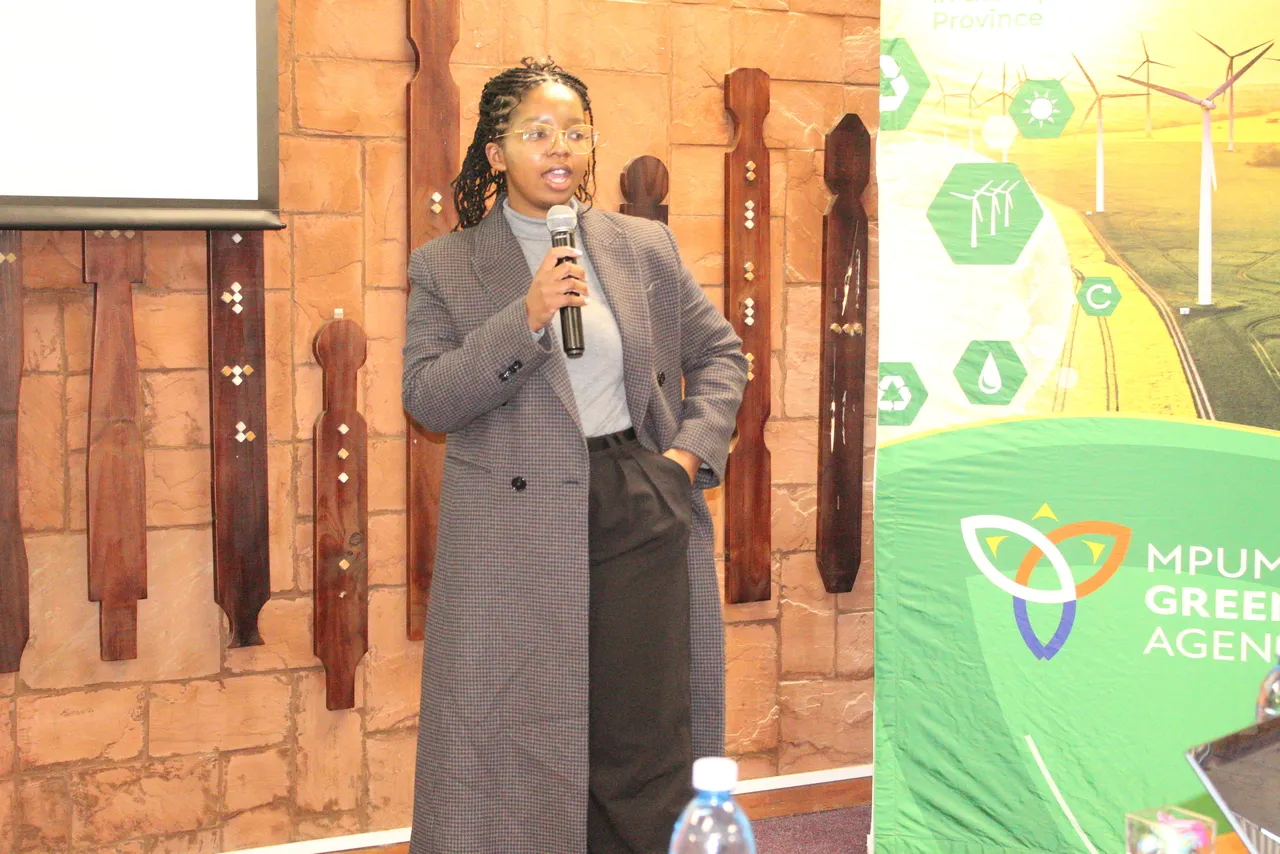
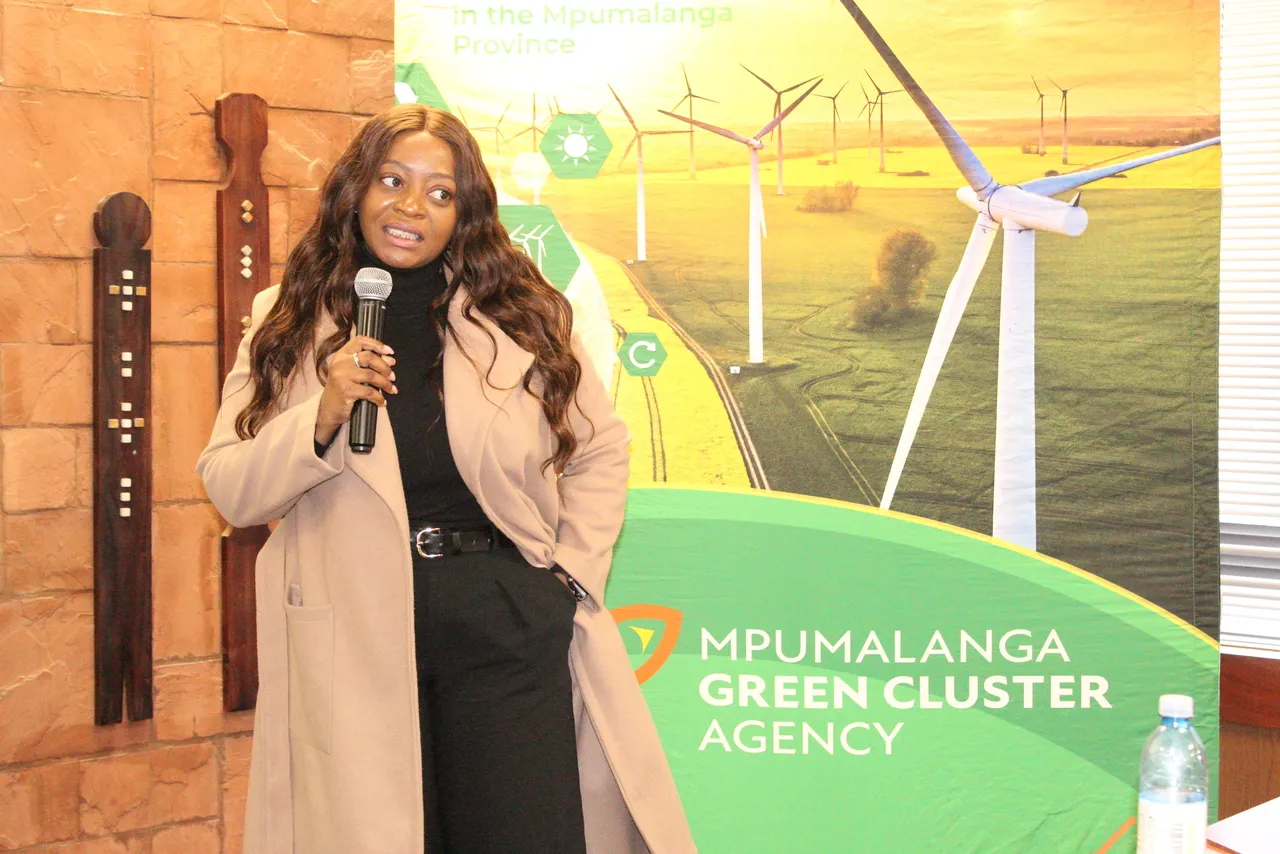
WWF South Africa spoke to the tool's applicability, walking stakeholders through the progress made so far and how it is intended to support decision-making on the ground. The session generated valuable feedback from participants insight that will now be incorporated into the tool as it continues to be refined.
Day Two:
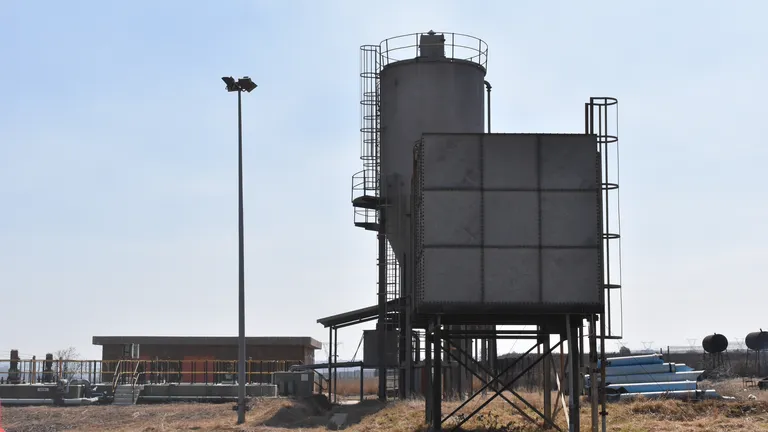
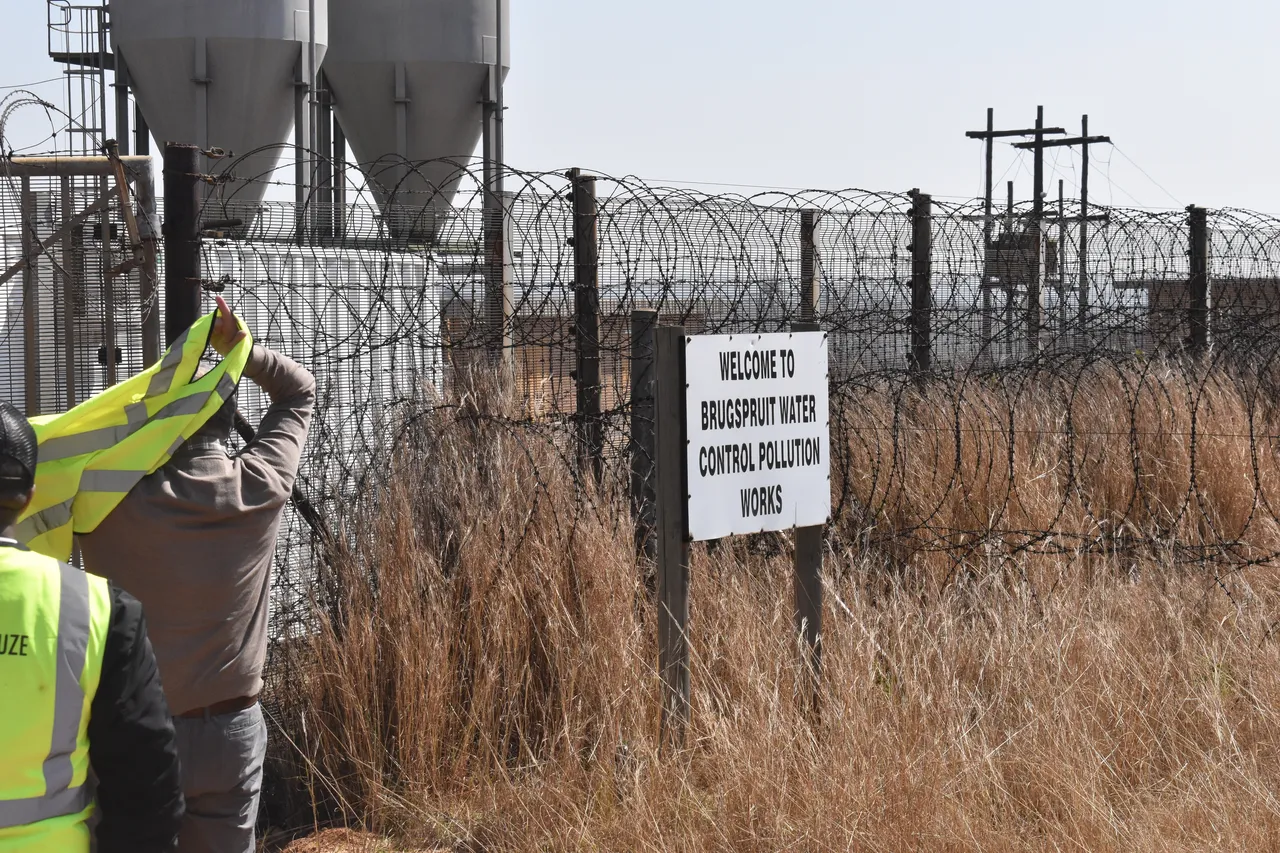
The second day of engagements shifted focus to a smaller, more targeted stakeholder engagement on the Brugspruit Water Pollution Control Works plant in Emalahleni as part of the ongoing work JUST SA and WWF South Africa are driving toward understanding the challenges in Mpumalanga on mine water treatment and engaging with stakeholders on the potential to revitalise the plant.
The engagement, joined by Mpumalanga Department of Agriculture, Rural Development, Land and Environmental Affairs, Mpumalanga Department of Water and Sanitation (DWS), Nkangala District Municipality, Emalahleni Local Municipality as well as Rand Water, Mpumalanga Green Cluster Agency (MGCA) and the National Business Initiative (NBI).
Site Visit: Seeing the Impact First-Hand
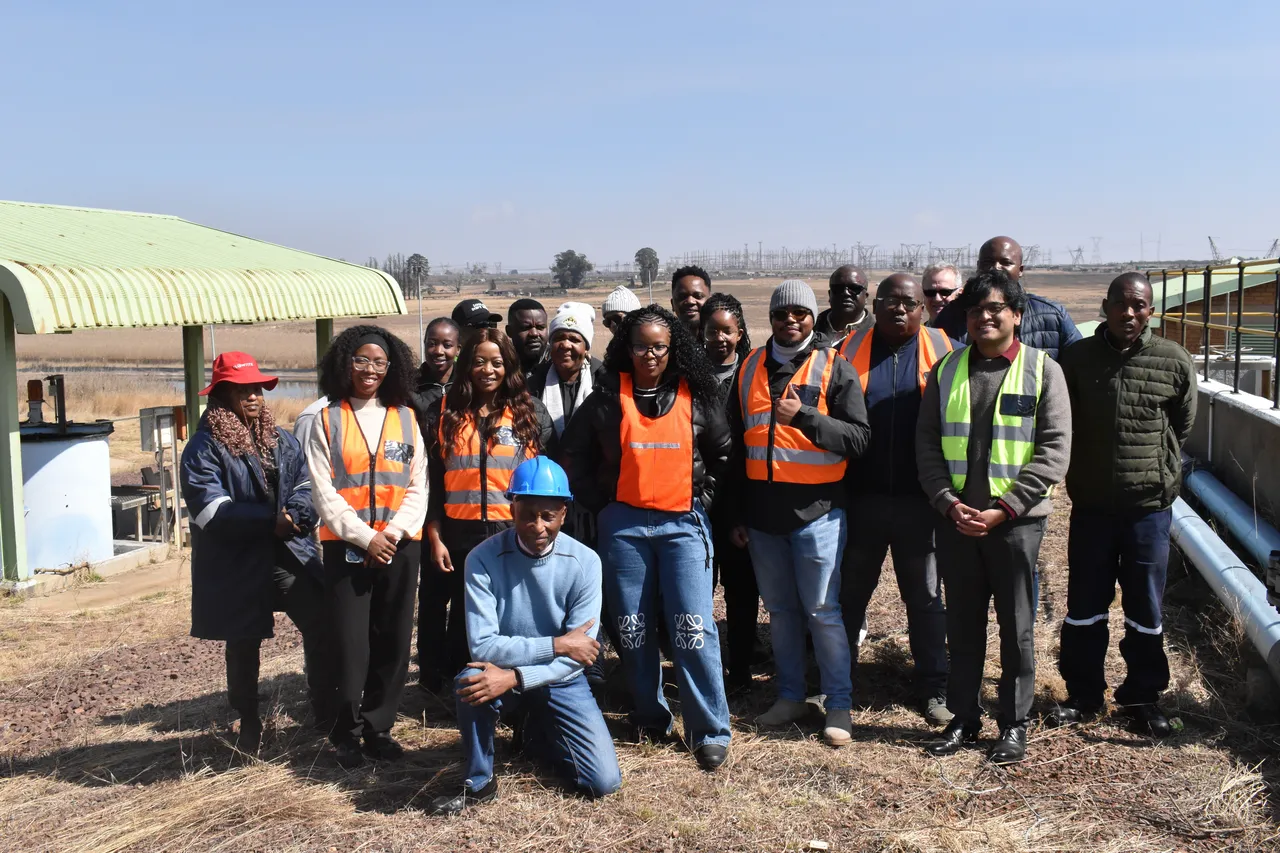
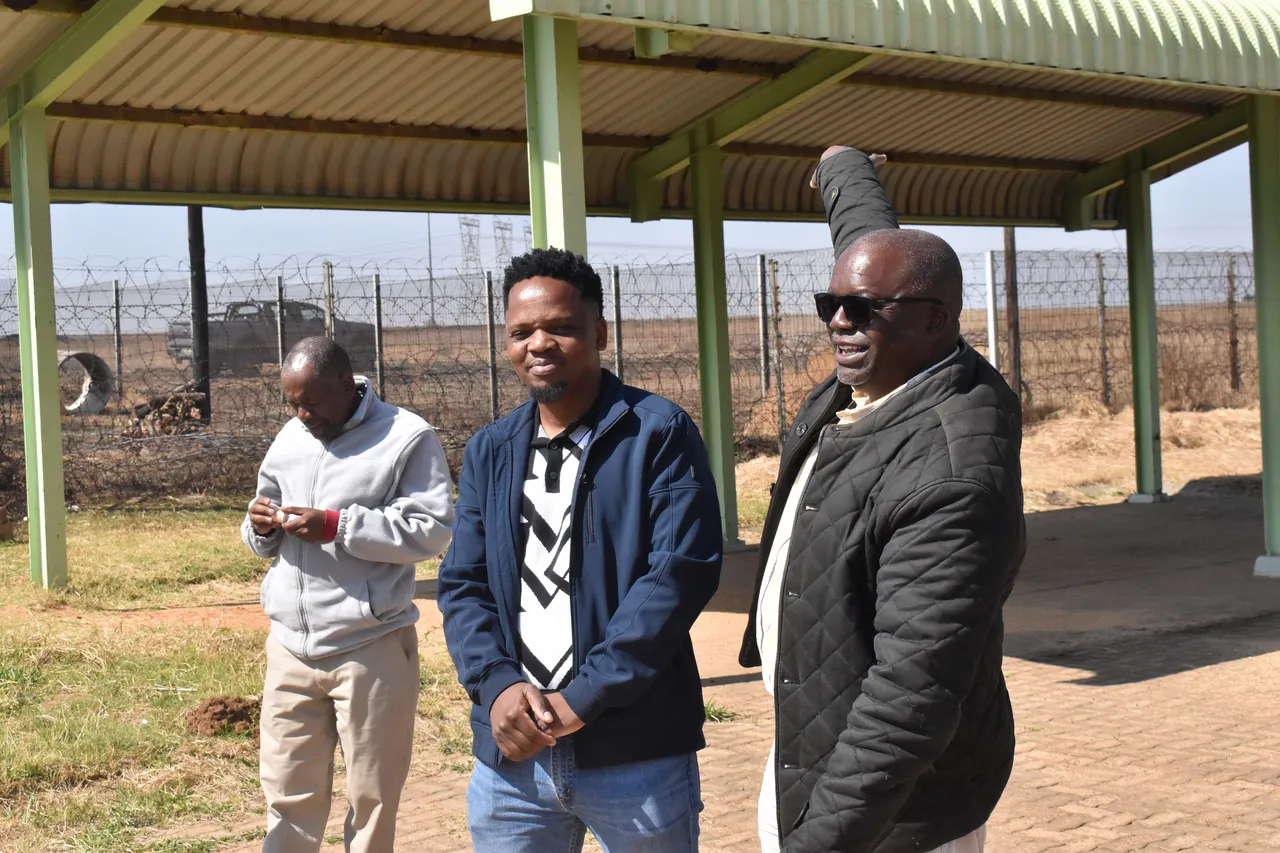
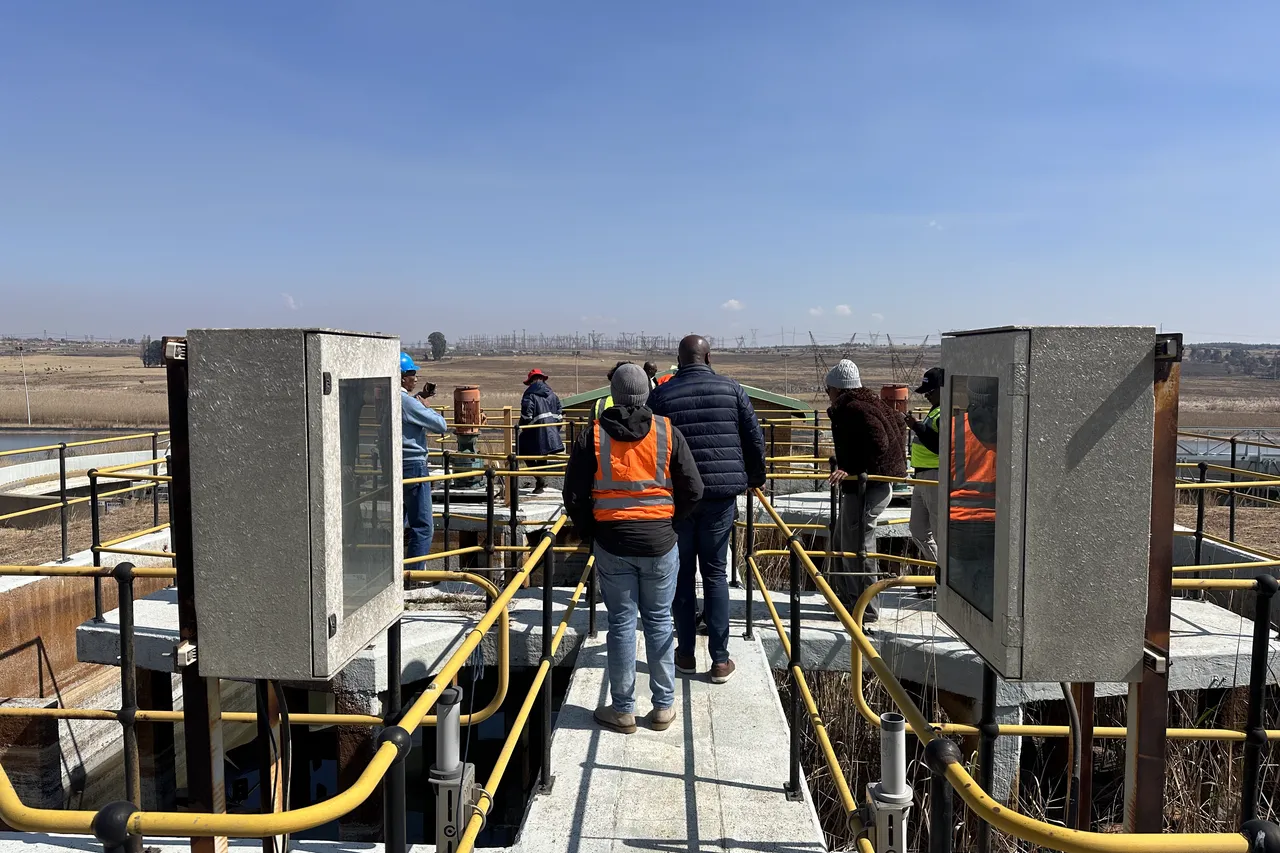
The engagement was followed by a site visit to the plant itself, where the Department of Water and Sanitation (Mpumalanga) and Rand Water led a full walkthrough of its current state. The visit laid bare the scale of the challenge: beyond the plant's operational issues, the group saw first-hand how its condition is affecting surrounding communities. For years, the plant has struggled to keep pace with the pollution flowing into it, and the effects ripple far beyond its fence line. Children from surrounding communities swim in water contaminated by acid mine drainage. Livestock and croplands depend on a river system that no longer runs clean. The impact of the pollution travels downstream into the Olifants River catchment, affecting communities and ecosystems far removed from Brugspruit WPCW itself, extending the consequences of an under functioning plant far beyond Brugspruit WPCW itself and underscoring why this work matters at a catchment-wide scale.
Looking Ahead
Together, the two days captured what the just transition looks like in practice in Mpumalanga: hands-on, cross-institutional collaborative work to create opportunities on former mining land and revitalise the infrastructure that protects communities, agriculture, and ecosystems. JUST SA and WWF South Africa remain committed to carrying this momentum forward turning technical advisory work into tangible results for the province.