Project Context
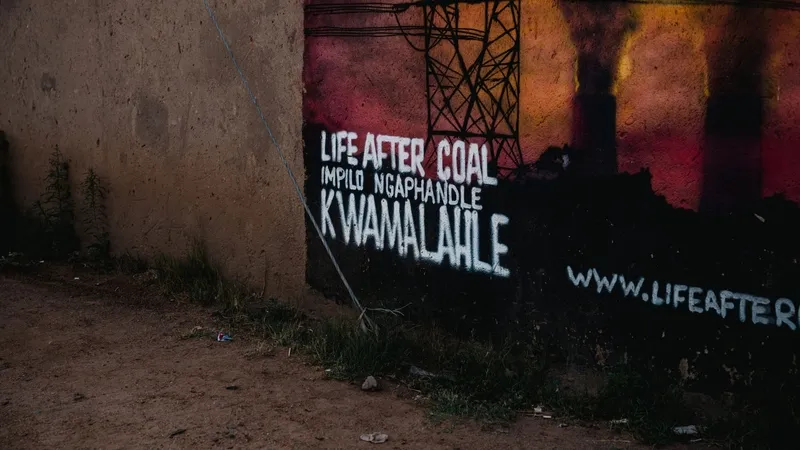
South Africa’s National Development Plan (NDP) 2030 envisions a future where the country transitions to an environmentally sustainable, low-carbon economy while building a just society. Supported by strong environmental laws such as the Climate Change Act of 2024, this vision guides the nation’s efforts to reduce emissions and promote climate resilience.
Challenges
South Africa, the 15th largest GHG emitter globally, emitted 402 million metric tons of CO2 in 2023, mainly due to coal reliance. Coal accounts for about 70% of its energy supply. The country faces 33.6% unemployment, 60% poverty, and severe inequality, driving the need for a Just Transition (StatsSA, 2026; Statisa, 2026). The coal value chain employs over 120,000 workers but faces decline due to reduced global demand and automation. Key areas affected include Mpumalanga, Nkangala, Gert Sibande, eMalahleni, and Steve Tshwete.
Metric tons of CO2 in 2023
Energy from coal
Youth unemployment in MP
Jobs at risk in coal value chain
Abandoned mines
A Brief Background

A just transition in South Africa requires significant financial investments, with the JET Investment Plan estimating R1.5-trillion needed for decarbonisation. To meet this need, South Africa has secured climate financing from international partners, including the Just Energy Transition Partnership (JETP), which pledged over US$12.8-billion. This funding supports the JET Investment Plan and the implementation of the Just Transition Framework. JUST SA contributes to this effort, aiding in achieving a sustainable, low-carbon economy.
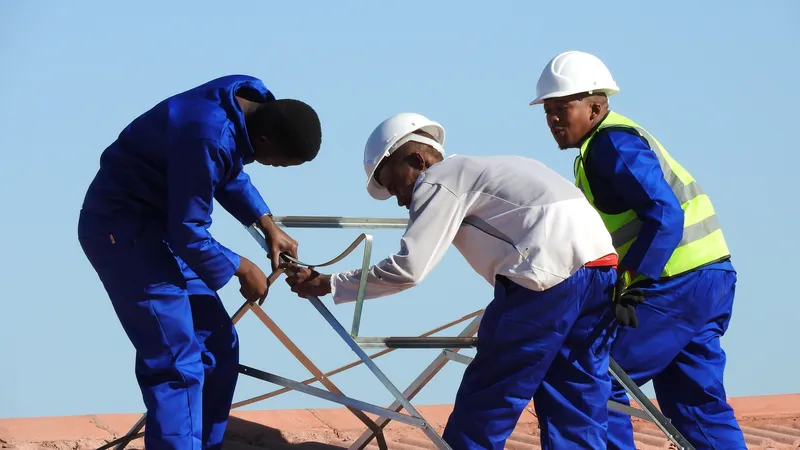
JUST SA supports South Africa’s NDP Vision for 2030 by promoting an environmentally sustainable, low-carbon economy that reduces poverty, inequality, and unemployment. As part of the JETP pledge, JUST SA supports a just transition by creating jobs with a strong focus on youth and gender inclusivity to improve community livelihoods. The project supports ongoing social dialogue and stakeholder engagement, reflecting the NPC’s emphasis on transparency and inclusivity for affected workers and coal-dependent communities.
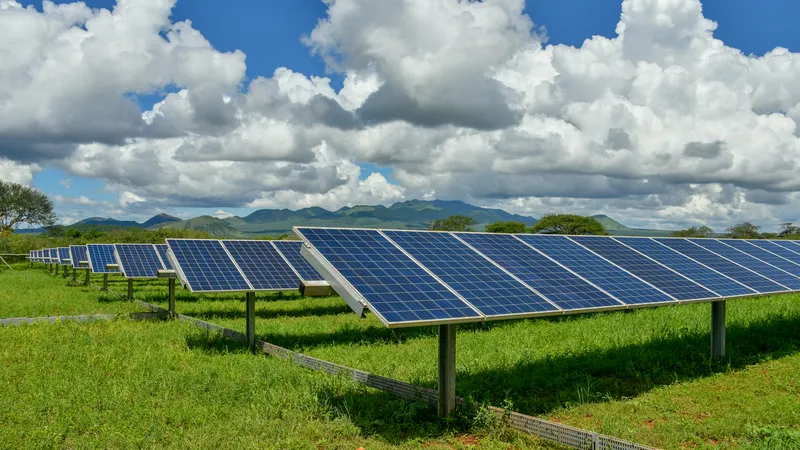
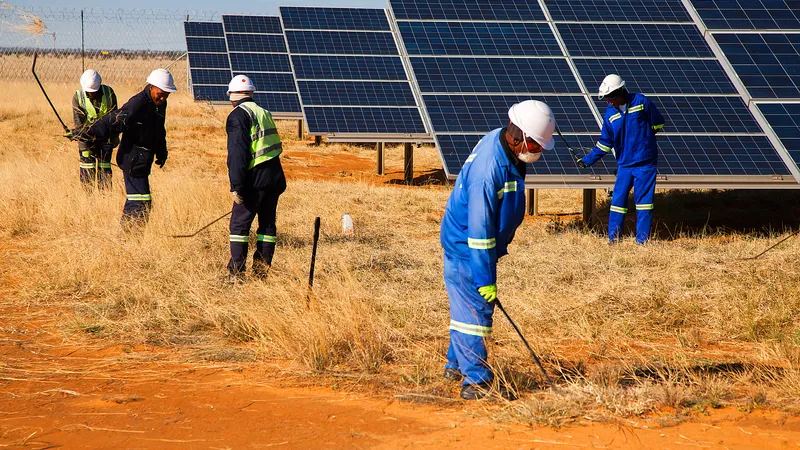
This transition offers a chance to diversify economies and create sustainable jobs, aligned with the Just Transition Framework addressing socio-economic challenges. South Africa is well-positioned for renewable energy, with abundant wind and solar resources. Declining costs have made renewables more affordable than new coal plants. The REIPPPP has proven renewable energy’s economic viability and its ability to generate local employment, supporting a cleaner, job-creating energy future
Community participation in transition planning is critical to address regional needs and mitigate socio-economic disruptions, a core tenet of the Just Transition Framework. Integrating gender-sensitive policies into climate action can improve economic inclusion and empowerment. Furthermore, municipalities must be equipped with resources and technical expertise to manage the transition effectively, in line with the multi-sphere government responsibilities stipulated in the Climate Change Act.
Environmental impacts from mining remains a critical concern, highlighting the need for strong management under climate legislation & just transition frameworks. Pollution from operational and abandoned mines threatens water, human health, and biodiversity, especially in Mpumalanga. Mine-affected water and unsafe derelict mines pose risks to communities and ecosystems. Efforts to improve mine closure and rehabilitation are advancing through regulatory reforms aligned with the National mine closure strategy, JT Framework & the Climate Change Act to mitigate long-term impacts and enhance climate resilience.

Our Objectives
JUST SA supports South Africa’s shift to a low-carbon, sustainable economy through inclusive policies, meaningful stakeholder engagement, regional economic diversification, job creation, and mine rehabilitation, aligning with national and provincial frameworks to ensure a socially just and climate-resilient transition. The project objectives below outline what JUST SA aims to achieve:
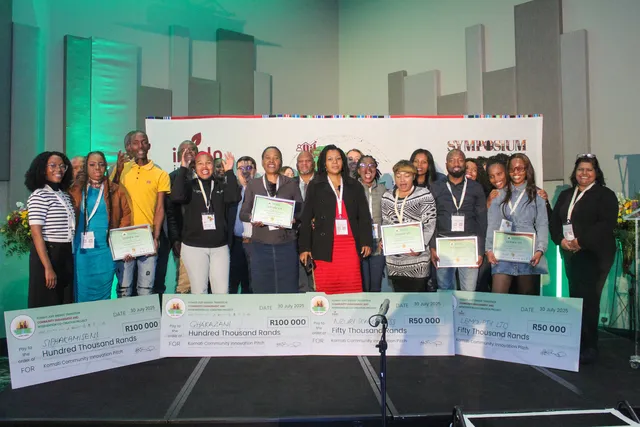
JUST SA empowers key stakeholders across South Africa to implement effective and inclusive pathways for a Just Transition, fully aligned with national and provincial policy frameworks.
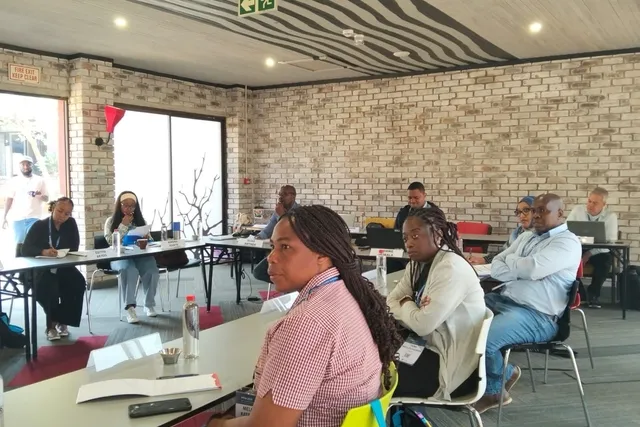
JUST SA strengthens the capacities of provincial and local government officials across South Africa to effectively implement Just Transition policies and programs, enabling local governance to be a catalyst for sustainable and inclusive development.
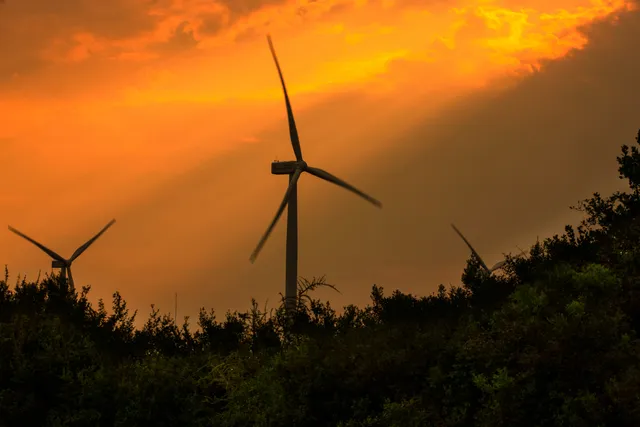
JUST SA drives the development of concrete, sustainable alternative pathways tailored specifically for Mpumalanga’s green economic future and economic diversification.

JUST SA collaborates with a multi-stakeholder group to commit to innovative and sustainable approaches for rehabilitating coal mining land and mine affected water.
Looking Forward
As South Africa moves toward a low-carbon future, it is essential to manage the transition fairly, ensuring that vulnerable workers, small businesses and communities receive adequate support. Proactive economic diversification and social protection will be key to achieving a just and sustainable energy transformation that benefits all South Africans.